Field Notes
A chronological log of daily sightings and quick observations from the garden. For deeper dives and long-form stories, visit my Field Journal.
Week 17
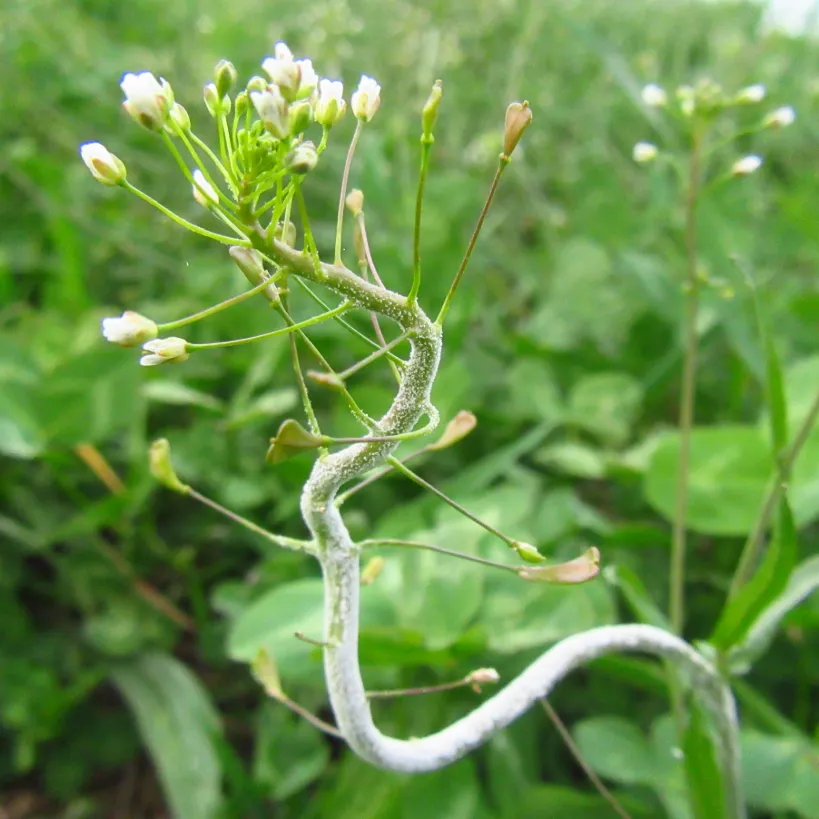
NRH-2026-0421-19
Hyaloperonospora parasitica
Downy Mildew infecting Shepherd's Purse (Capsella bursa-pastoris. This oomycete causes systemic infection, resulting in the dramatic 'S-curve' distortion and hypertrophy of the stem seen here. It is often found alongside White Blister (Albugo candida).
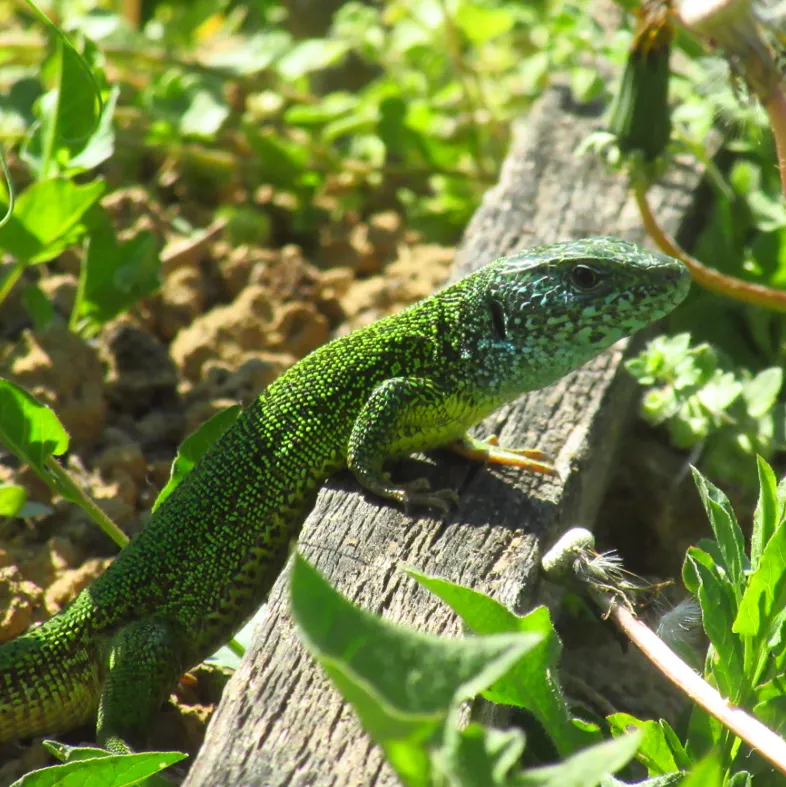
NRH-2026-0421-20
Lacerta viridis (European Green Lizard)
A magnificent male basking in the spring sun. The developing blue throat indicates he is in breeding condition. The apex predator of the garden insect world.
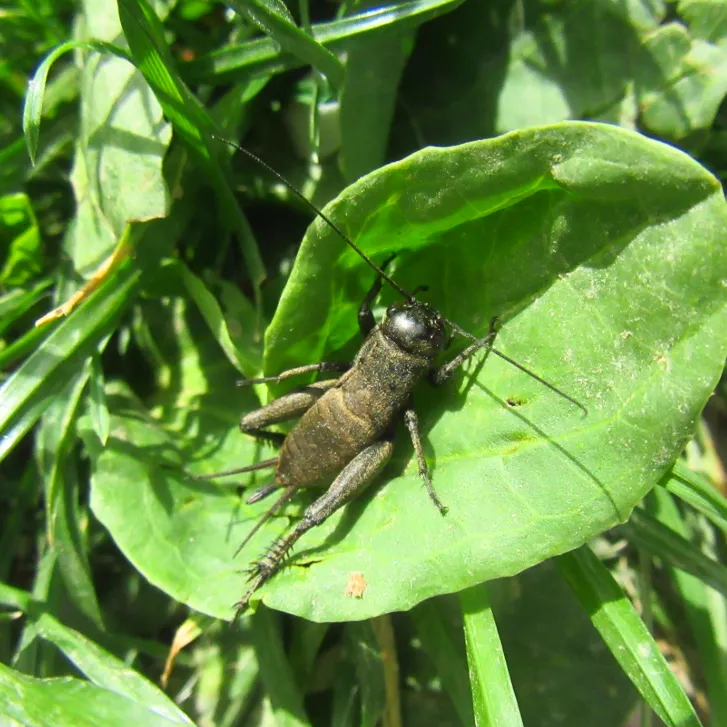
NRH-2026-0421-17
Gryllus campestris (Nymph)
A Field Cricket nymph basking in the sun. These live in individual burrows. Finding one is a sign of a high-quality, undisturbed grassland ecosystem, so I'm happy to find so many in the garden.
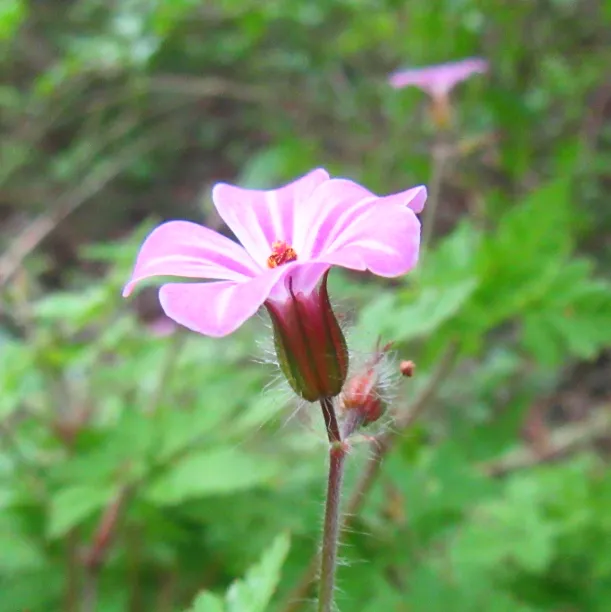
NRH-2026-0421-18
Geranium robertianum (Herb Robert)
Known for its sticky, glandular hairs and a pungent 'mousy' scent when crushed. It's an adaptable survivor, often found tucked into damp crevices of walls and woodland edges.
NRH-2026-0421-15
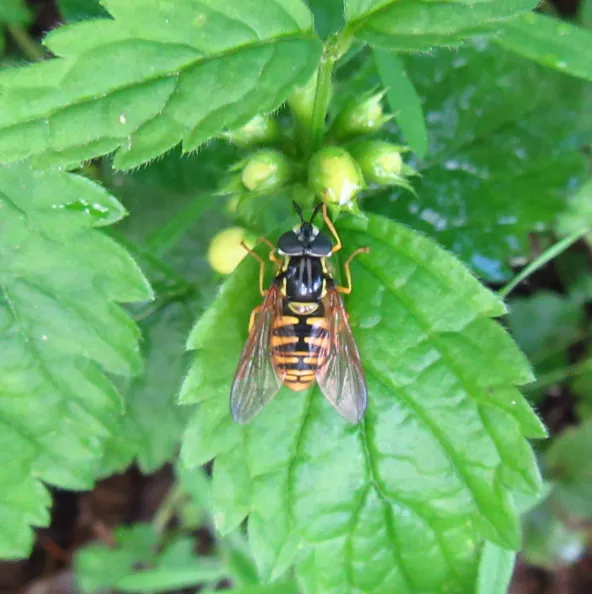
Chrysotoxum cautum (Greater Banded Hoverfly)
This one doesn't just copy the stripes; it mimics a wasp's silhouette using elongated antennae and a distinctively curved flight posture to bluff its way out of being eaten. Pictured here on Yellow Archangel (Lamium galeobdolon).
NRH-2026-0421-16
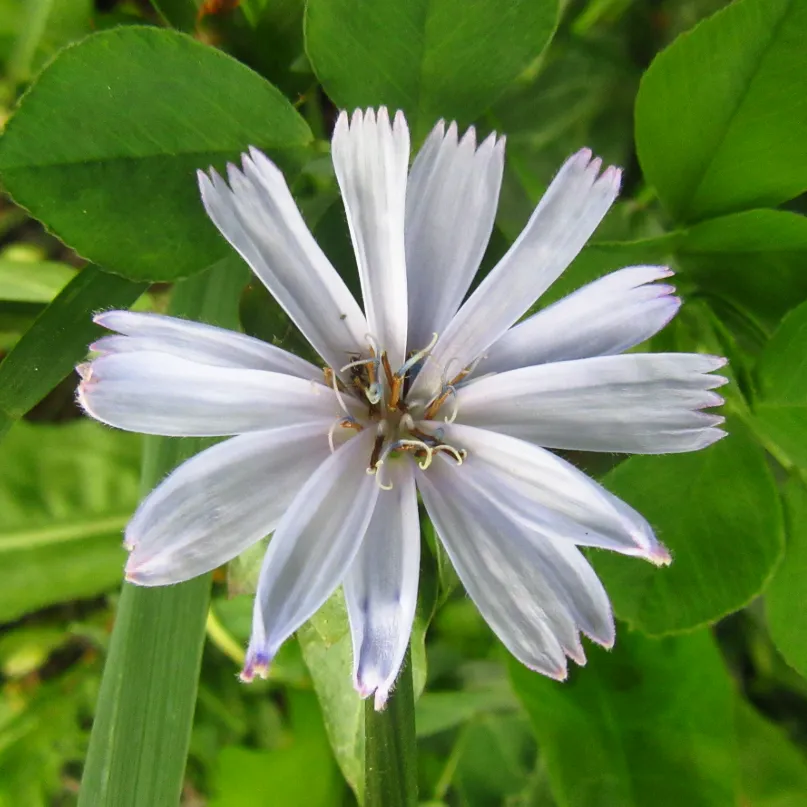
Cichorium intybus (Common chicory)
An unusually pale, early-season Chicory. While typically vibrant blue, this individual displays a delicate lavender-white hue. Each ray floret is tipped with five distinct teeth, a signature of the species.
NRH-2026-0421-13
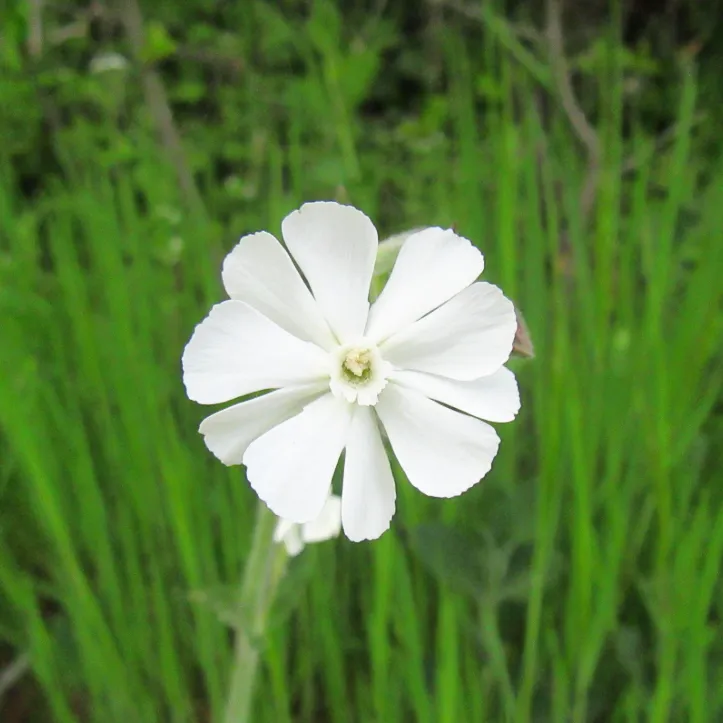
Silene latifolia (White Campion)
A dioecious species often found in hedgerows and fields. Its flowers open most fully in the evening to attract pollinating moths, much like its cousin S. nutans.
NRH-2026-0421-14
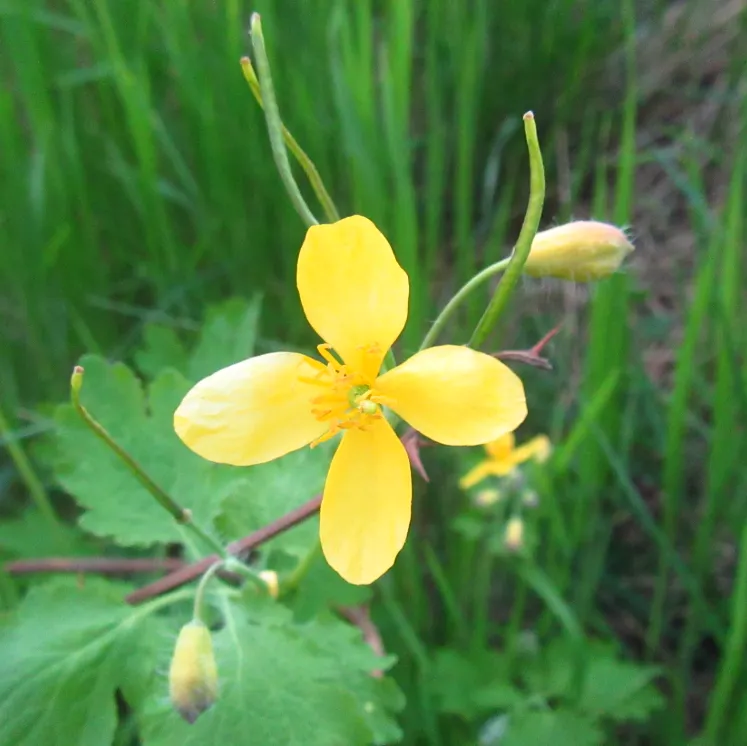
Chelidonium majus (Greater Celandine)
A member of the poppy family recognized by its four yellow petals and caustic orange sap. Despite being native, its aggressive self-seeding often marks it as a 'weed' in curated spaces, including my garden.
NRH-2026-0421-11
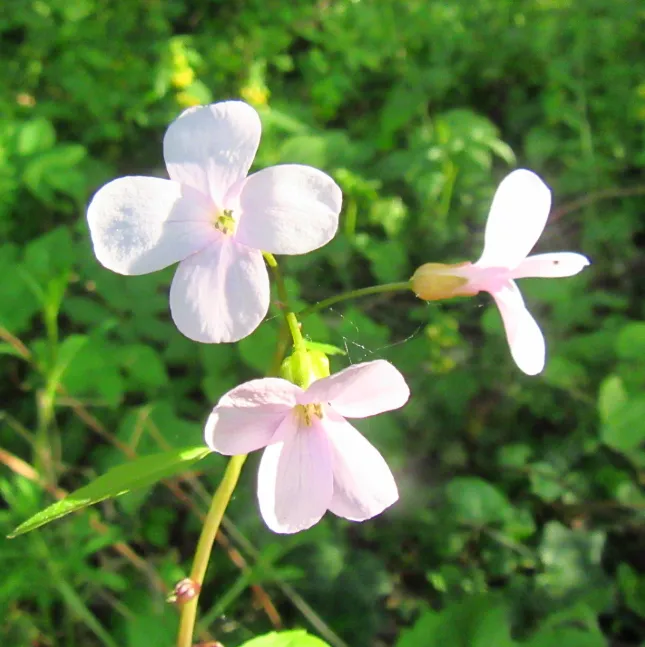
Cardamine pratensis (Cuckoo Flower)
Cuckooflower (Lady's Smock) in bloom. A vital spring nectar source and the primary host plant for the Orange-tip butterfly. The flowers range from white to a pale lilac.
NRH-2026-0421-12
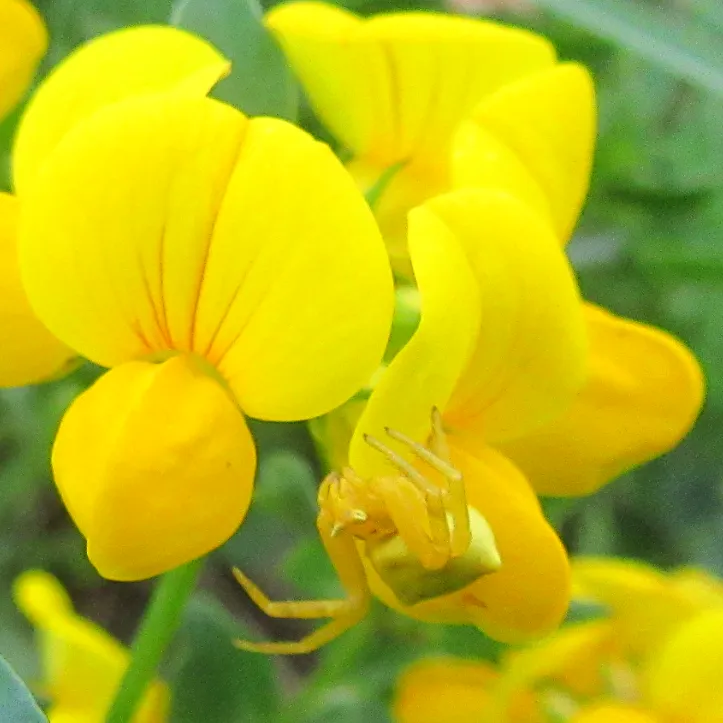
Misumena vatia (Crab Spider)
A master of camouflage. This female Misumena vatia is nearly invisible against the Lotus corniculatus petals. She can actively change her color to match her host flower over the course of several days.
NRH-2026-0421-09
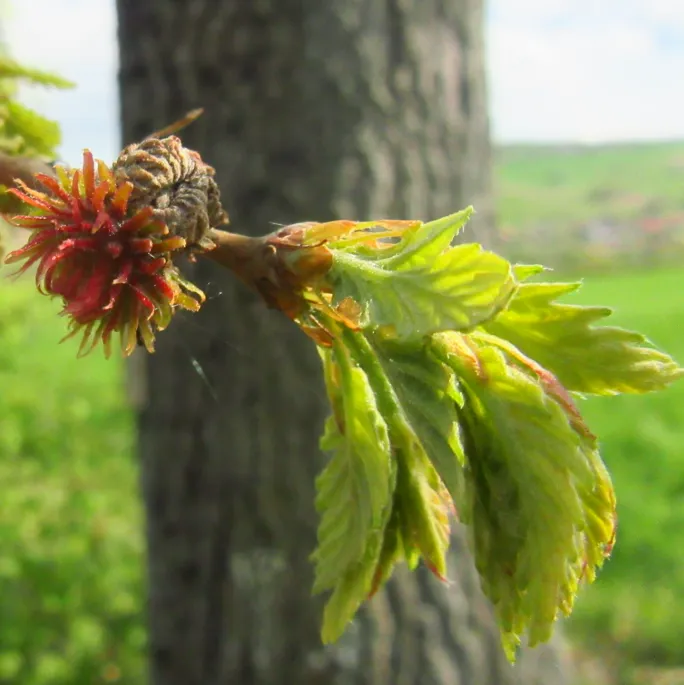
Quercus cerris (Turkey Oak)
Female flowers of the Turkey Oak. Note the long, filamentous bracts that give the developing acorn cups their characteristic 'mossy' appearance. A key diagnostic feature for this species.
NRH-2026-0421-10
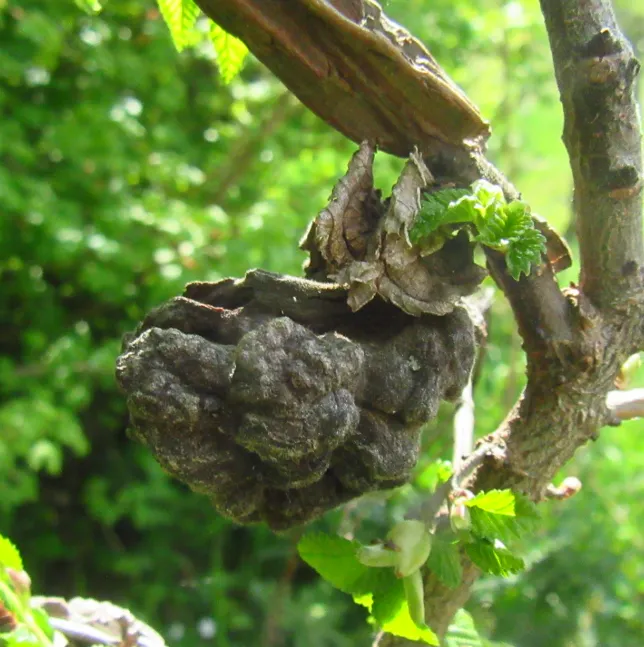
Tetraneura ulmi
An Elm Sack Gall found on a Field Elm (Ulmus minor). The host is easily identified by the 'winged' or corky ridges on the branches, which provide winter shelter for the gall-inducing aphids.
NRH-2026-0421-07
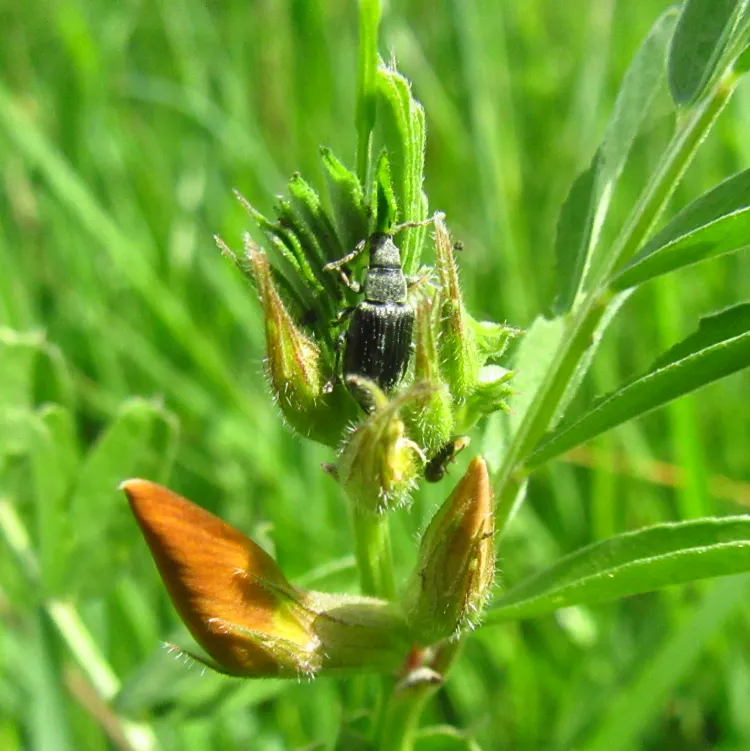
Hypera sp. (Clover Weevil)
Found on Lotus corniculatus (Bird's-foot Trefoil). This weevil is distinguished by its striped, textured elytra and its preference for legumes.
NRH-2026-0421-08
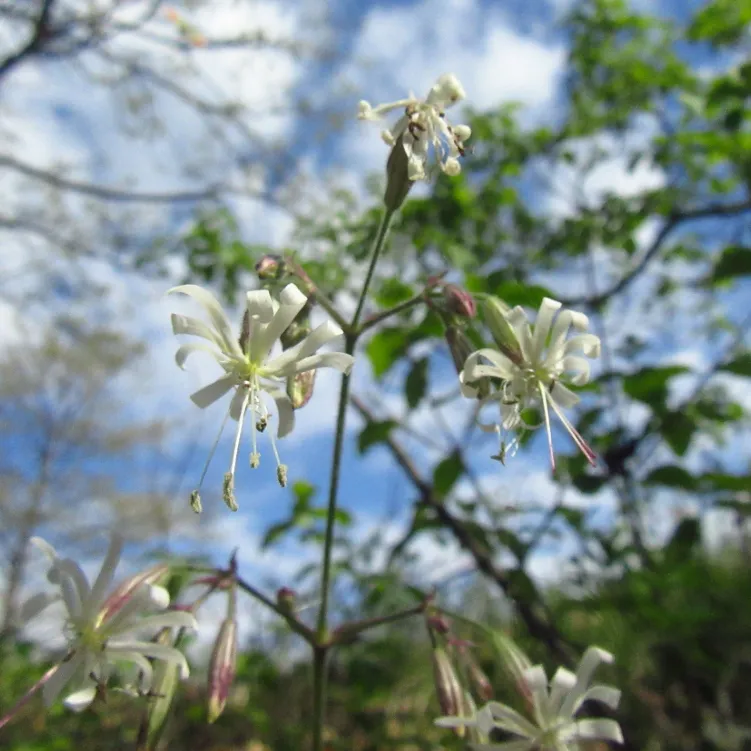
Silene nutans (Nottingham Catchfly)
Identified by its deeply notched petals that have a tendency to curl backwards during the day and distinctly sticky glandular stems, designed to deter non-pollinating insects. Night-bloomer.
NRH-2026-0421-05
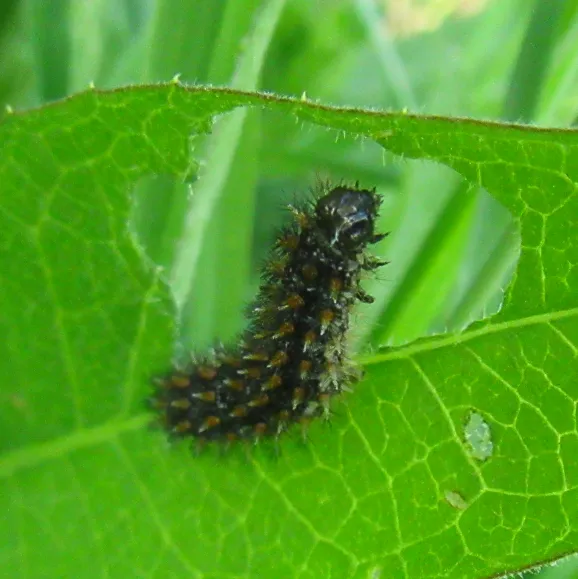
Melitaea athalia (Heath Fritillary)
Heath Fritillary caterpillar found on an unidentified shrub leaf. Note the distinct orange-based spines and the heavy feeding damage to the leaf margin.
NRH-2026-0421-06
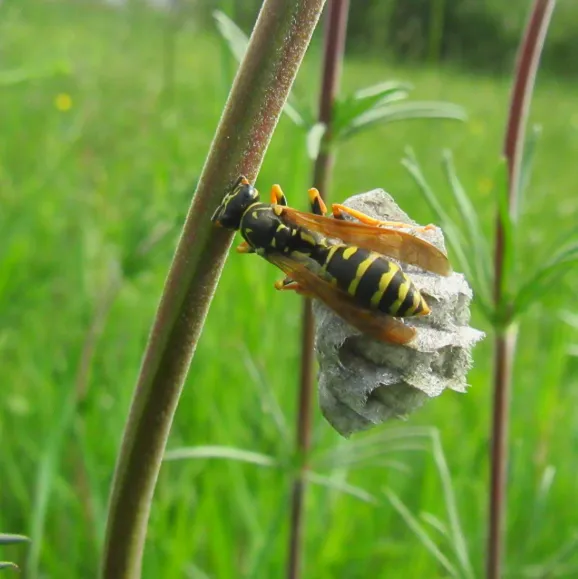
Polistes dominula (European Paper Wasp)
A European Paper Wasp foundress beginning her nest on a stem. The orange antennae and open-celled paper nest are definitive characteristics of this species.
NRH-2026-0421-03
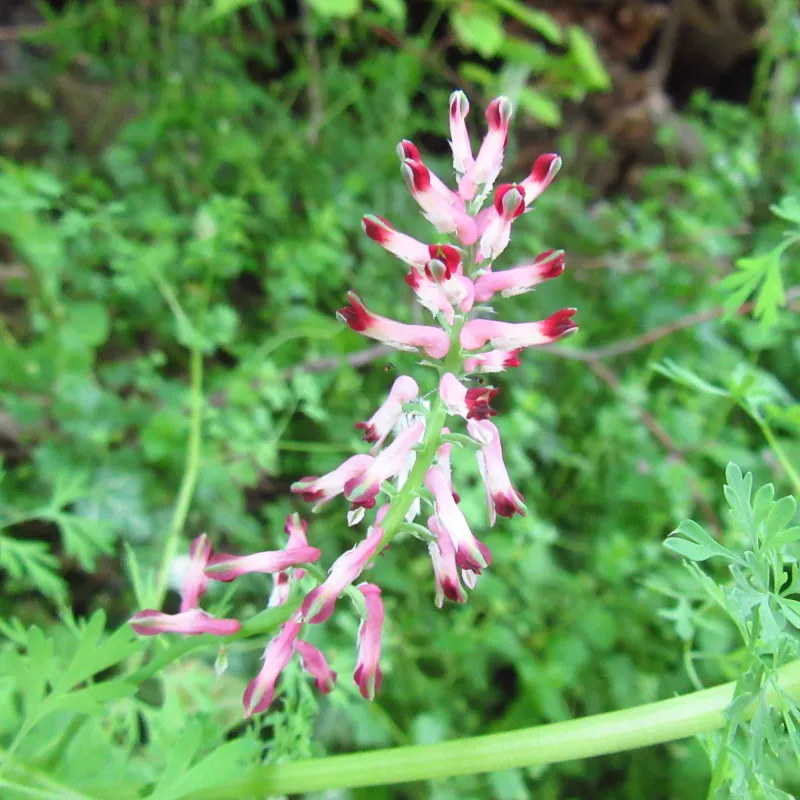
Fumaria officinalis (Earth Smoke)
The most common species of the genus Fumaria in Western and Central Europe.
NRH-2026-0421-04
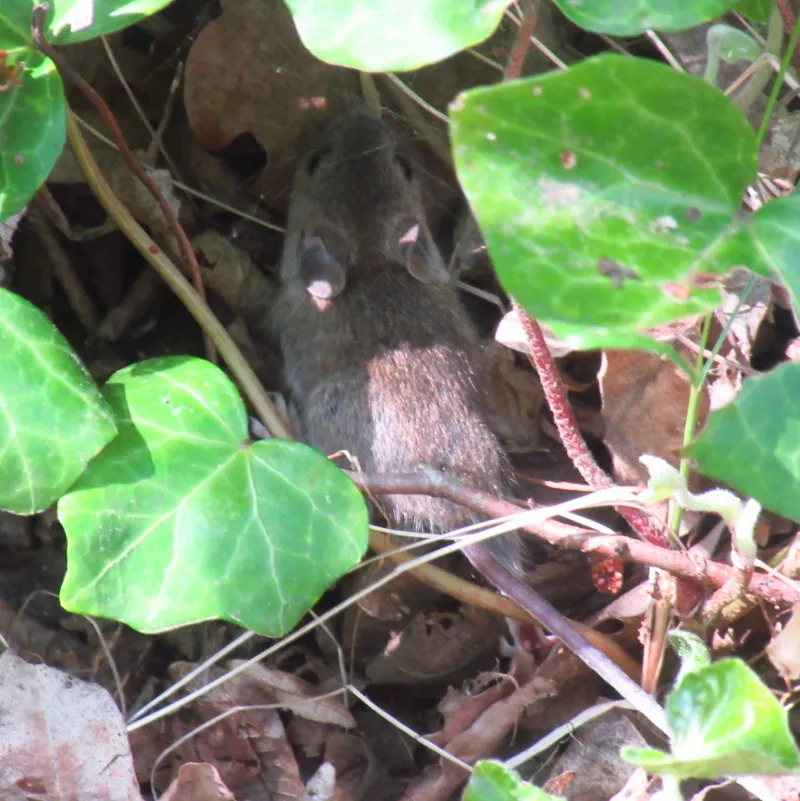
Apodemus sylvaticus (Long-tailed Field Mouse)
A Wood Mouse foraging amongst ivy and dried oak leaves. Spotted during a quiet moment in the afternoon.
NRH-2026-0421-01
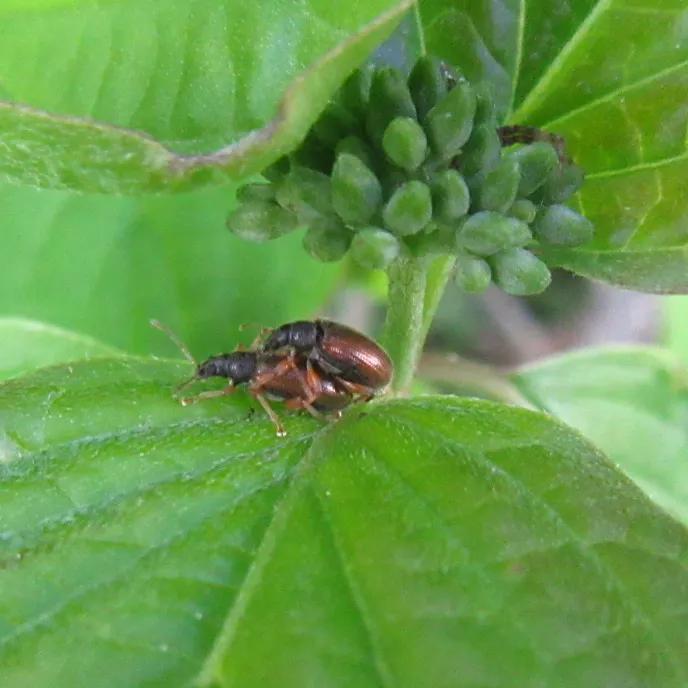
Phyllobius oblongus (Brown Leaf Weevil)
Several mating pairs found on young leaves. These seem to be quite common on Cornus mas (Cornelian cherry) this time of year.
NRH-2026-0421-02
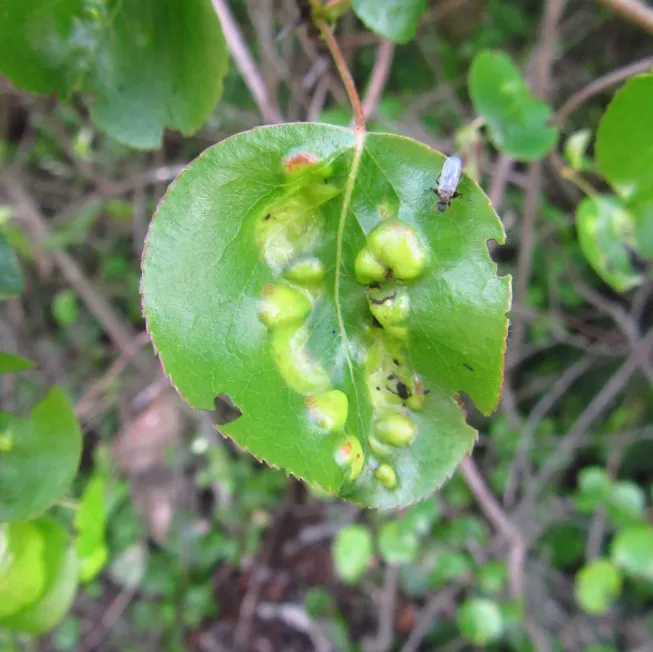
Eriophyes crataegi
Hawthorn blister galls on Crataegus monogyna (Hawthorn) caused by the mite E. crataegi. The pustules are currently light green but will likely turn red or brown as they mature.