The Long Way Around
To understand your garden, you need to know what is in your garden.
There is a fast way to identify a plant. Take a photo. Upload it. Wait a few seconds and a name appears.
It works. Most of the time, it works remarkably well. Tools like iNaturalist have opened the door for a lot of people to step into the natural world with the kind of knowledge that used to take years to build. I use it too. It’s a valuable resource. But in truth, I don't like it, because on its own, it can turn something good and slow into something 'less good' but instant.
Point. Shoot. Name. Move on.
Somewhere in that sequence, something valuable gets lost.
I prefer to take another route to identification. When I use a field guide or an identification key, the process is different from the very beginning. Whether I’m out walking or somewhere in the garden, I don’t start with the name. I start with the plant.
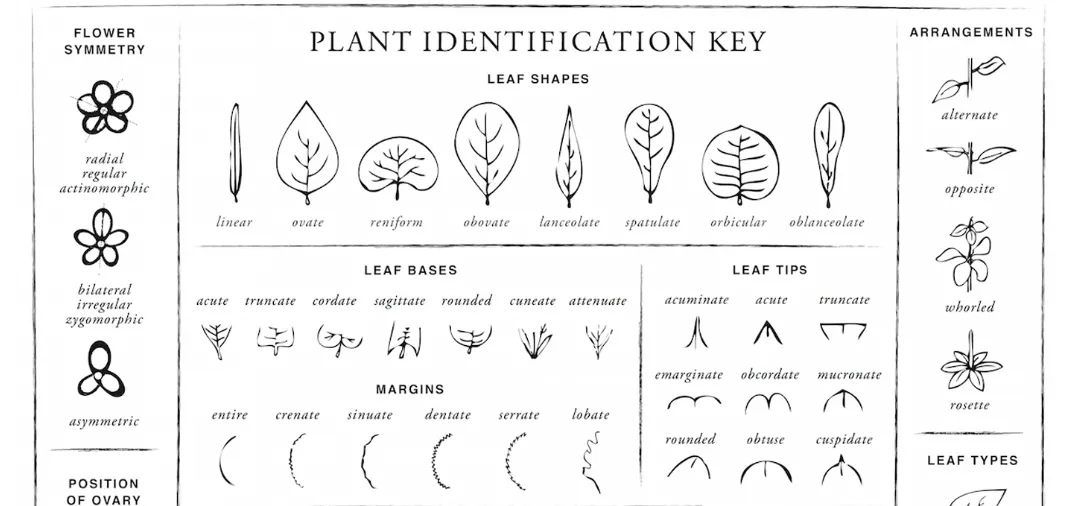
I look at the leaves first. Their shape, their edges, how they are arranged along the stem. Opposite or alternate. Smooth or serrated. I look at how the stem feels, whether it is round or angular. I check the flowers, if there are any. Count petals. Notice color and structure. I pay attention to things I would otherwise ignore.
The key doesn’t let me skip ahead.
A key is a series of binary choices. Is the stem square or round? Are the leaves hairy or smooth? It forces a decision. You can’t be vague when the book is asking for a commitment. Sometimes I get stuck. Sometimes I take a wrong turn and have to start again. It can be slow, occasionally frustrating, and often uncertain.
But it keeps me there.
Kneeling beside a plant in the garden, or somewhere along a path, flipping back and forth between pages, checking one detail, then another. And because I stay longer, other things begin to appear.
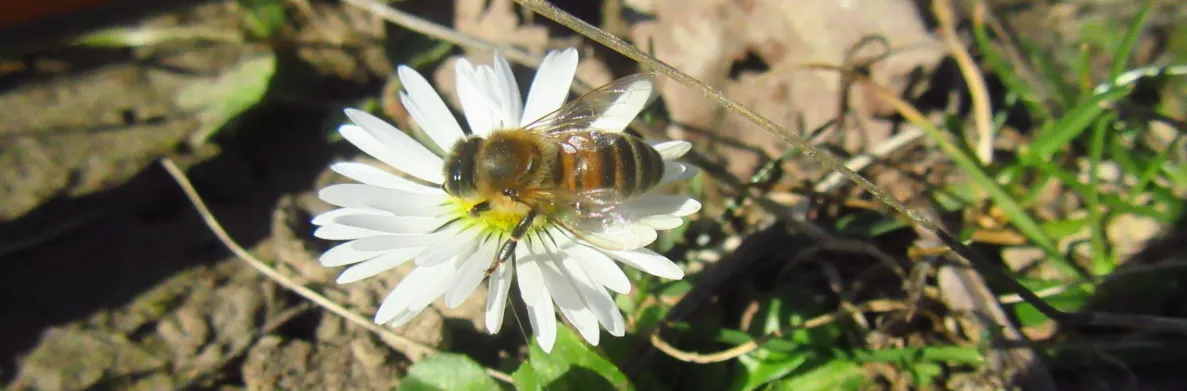
A bee I didn’t notice at first. A small beetle moving along the stem. In the garden, I start to notice patterns: which plants are always visited, which are ignored, which seem to thrive without any help from me at all.
The identification thus becomes part of a larger observation.
There is also a different kind of satisfaction in arriving at a name this way. Not because the name itself matters more, but because of the path taken to reach it. It feels like I earned to know what exactly I'm looking at.
And I remember it differently.
If I upload a photo and receive a species name, I might recognize it for a moment. But by the next day, it often fades. It was never really attached to anything.
When I work it out myself, even if I only get as far as genus or family, it tends to stay. Not perfectly, not always, but more firmly. Because I’ve built it from pieces.
And over time, all those pieces start to connect.
Leaf shapes become familiar. Certain structures repeat. I begin to recognize families without thinking too hard about it. In the garden, this becomes especially noticeable. Plants I once had to look up start to feel familiar. New arrivals stand out more clearly. I might not know the exact species, but I know where I am, roughly speaking. The unknown becomes narrower.
It builds an eye.
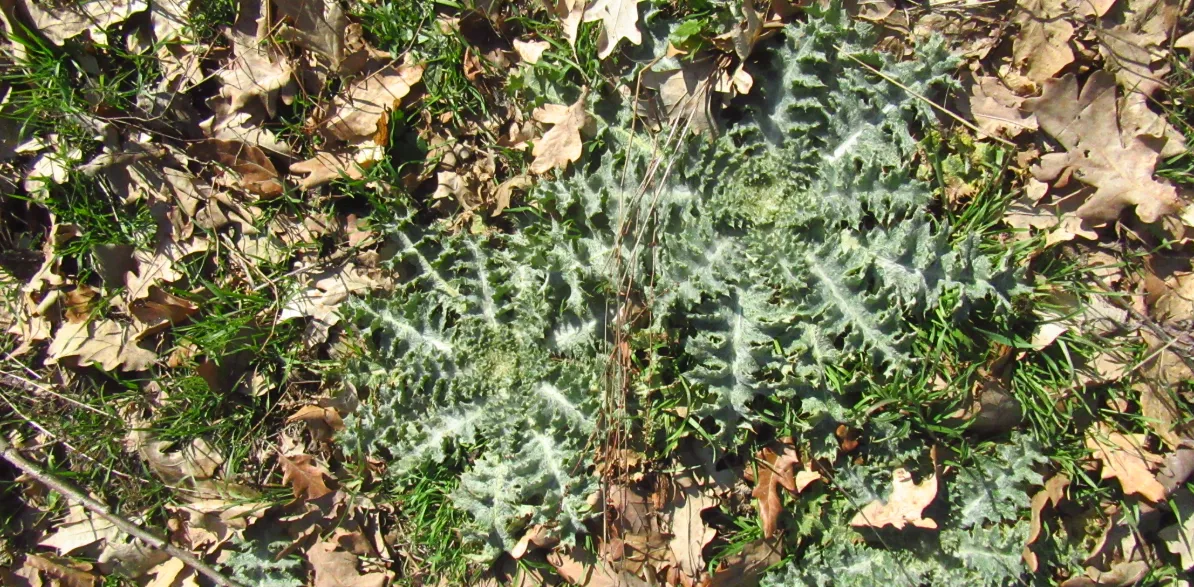
Not just for plants, but for patterns in general. For the small differences that separate one thing from another. For the context in which something appears. And in a garden, where you see the same space over and over again, that eye sharpens quickly.
And sometimes, the process leads somewhere unexpected.
I stop to identify one plant, something obvious, something that catches my attention from a distance. While I’m there, looking more closely than usual, I notice something else nearby. Something smaller, something less apparent. Occasionally, something far more interesting than what I originally stopped for.
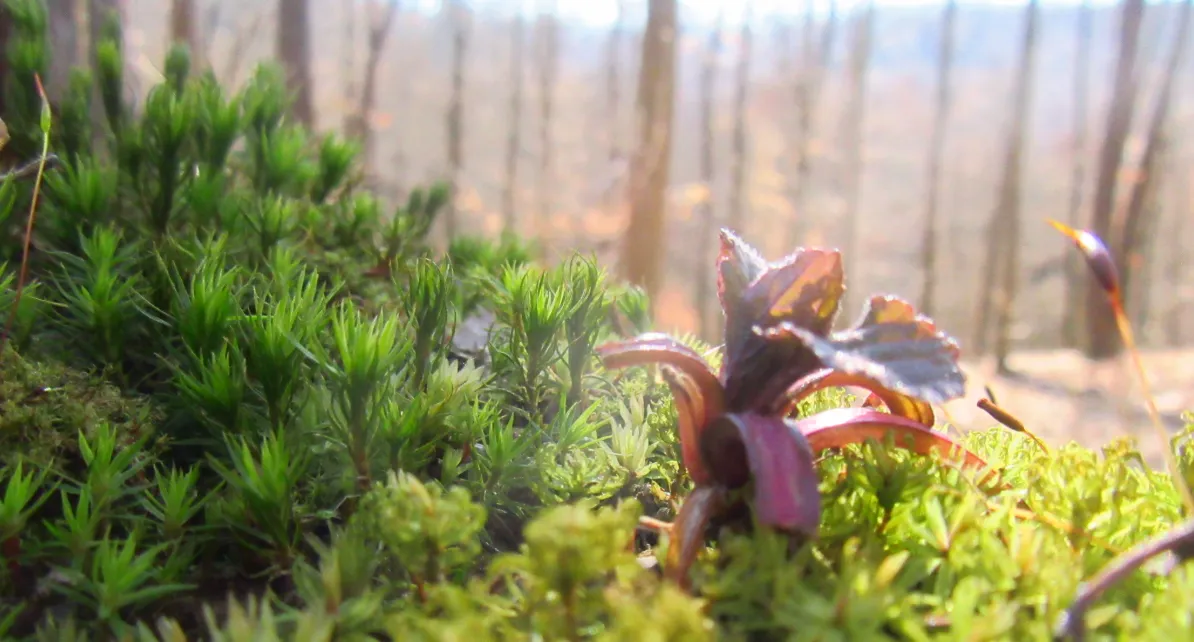
In my garden, this happens constantly. One plant becomes a doorway to another, and then another. A small patch turns out to be far more complex than it first appeared.
There is also a quiet pleasure in returning.
Once I’ve identified a plant, I like to visit it again. In a garden, that happens naturally. I pass the same plants every day. I see how they change. When they flower. When they set seed. What comes to them, and when. Over the course of a season, and then again next year and so a single identification turns into a longer relationship.
None of this means the faster way is wrong.
There are days when I take a photo, upload it, and move on. Sometimes that’s all I want. Sometimes that’s all I have time for. And sometimes, even after going through books and keys, I still need help to reach a conclusion. But I try not to let that be the only way.
Because if every plant becomes a quick answer, the landscape starts to flatten. It becomes a series of names rather than a collection of encounters. The same is true for a garden. If everything is reduced to labels and quick fixes, you stop seeing what is actually there.
Taking the long way around keeps the texture. It keeps the uncertainty, the attention, the small discoveries that don’t come with labels. It slows the process down just enough so I notice the dirt under my fingernails and the actual structure of the leaf I’m holding.
And in the end, that is usually what brings me back.