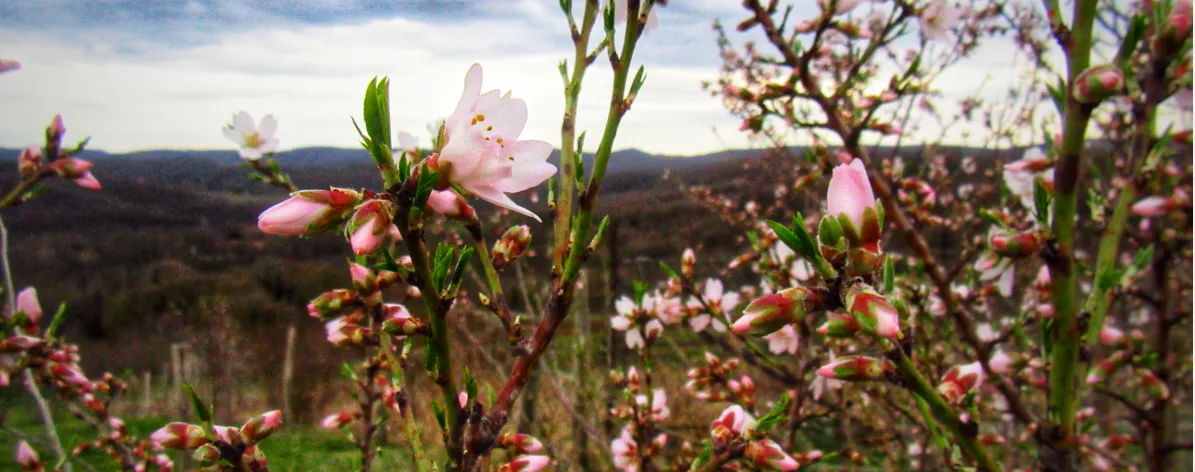
Slow Gardening
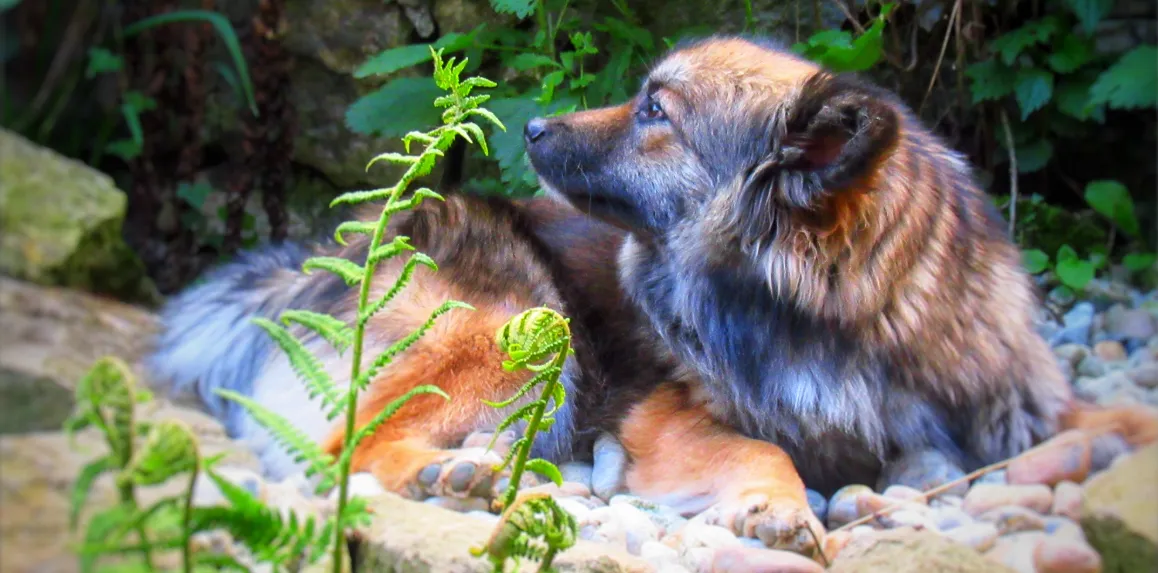
I call myself a slow gardener. Not because I move slowly, and not because I avoid work, but because I choose not to rush the garden.
If you walk past my garden in early summer, you won’t see clean edges or perfect symmetry. You’ll see grass leaning at different heights. You’ll see branches stacked into what looks like an unfinished structure. You might notice a patch of ground that hasn’t been touched in months.
None of that is accidental.
The idea of 'slow' did not begin in gardens. It began as a quiet resistance. Slow food resisted industrial meals and anonymous ingredients. Slow living pushed back against urgency as a lifestyle. Slow travel chose depth over checklists.
Slow gardening follows the same instinct.
It resists the idea that a garden must be optimized, perfected, constantly improved or made to resemble something from a magazine. It replaces speed with attention. It replaces control with participation.
For me, it began with doing very little.
When we moved here, I did not immediately redesign beds or order truckloads of compost. I watched. I paid attention to where water gathered after heavy rain, which corners stayed dry in summer, which plants thrived without help, and which insects arrived uninvited.
Observation is not inactivity. It is the groundwork of a lasting garden.
Beyond the Labels
People sometimes ask whether I am a wildlife gardener or a native plant gardener.
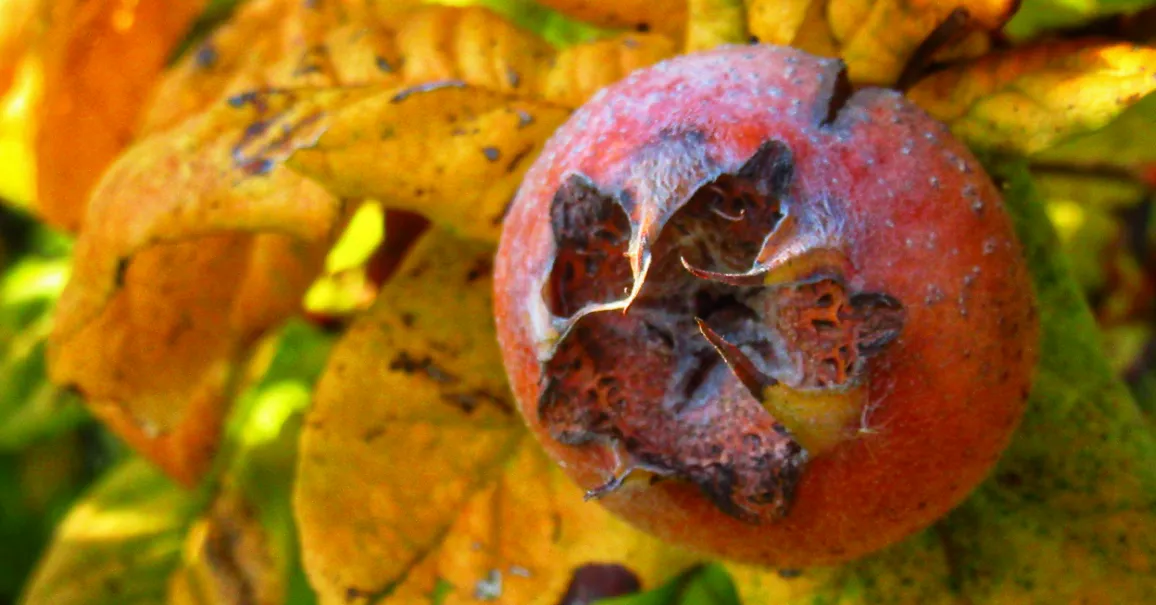
I appreciate both approaches. I value native plants and I care deeply about ecology. When I have to choose between two plants I like equally, I will usually choose the native one, because they belong here. They support complex relationships that have taken centuries to develop.
But I am not strict about it.
If my wife loves a flower that happens to be non-native, it goes in. A living plant, native or not, is almost always better than bare soil. Pollen is pollen. Leaves are still shelter. Roots still hold soil.
Nor do I build my garden exclusively as a sanctuary for wildlife. I build it first as a place where I want to spend my time. I am the primary inhabitant. If I don’t enjoy being here, I won’t stay long enough to notice what moves between the grasses and flowers.
Slow gardening leaves room for both curiosity and pleasure.
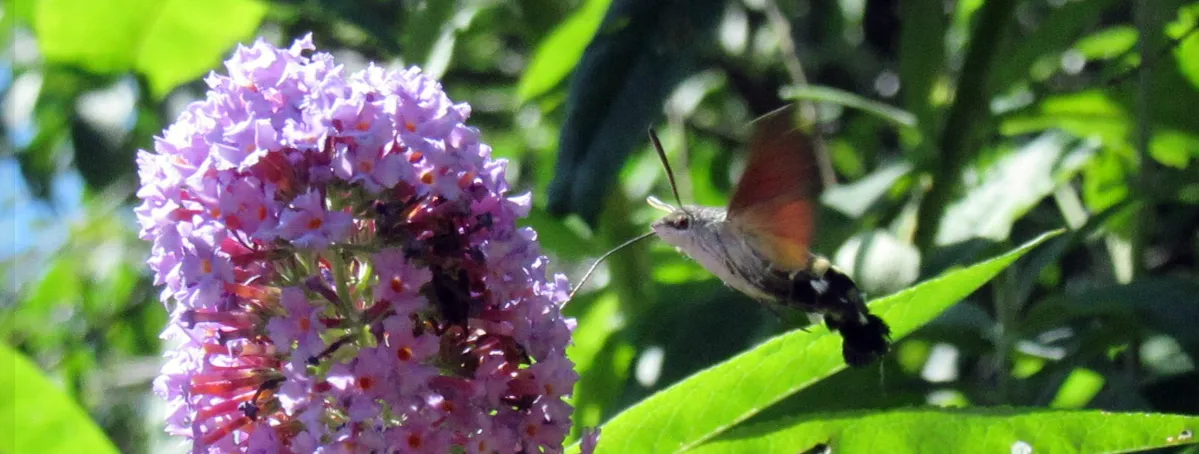
When I see a plant, my first thought is often not 'how beautiful', but 'who will come to this?' Which pollinators will land here? Which caterpillars might feed on these leaves? But if a plant has little ecological value and I simply like the way it looks in the evening light, that is sometimes reason enough.
It does not have to be pure to be worthwhile.
A Different Pace
Most gardening advice begins with action: dig, prune, spray, mow, repeat.
Slow gardening always begins with the question: Does this actually need doing?
There is a corner of my garden where nobody walks. It used to demand regular mowing simply because 'that’s what one does'. Now it grows long. It hums in summer. It has become a small habitat instead of a weekly task.
This does not mean I do nothing. In fact, I am often busy. But what I do has a reason. Sometimes that reason is practical. Sometimes it is ecological. Sometimes it is simply that I enjoy the work itself.
I prefer simple tools. A rake instead of a leaf-blower. Shears instead of a motor. Movements that allow me to hear birds while I work. If a task requires noise and fumes, I ask whether it is necessary, or merely habitual.
Slow gardening is not about laziness. It is about intention.
Experiment, Don’t Enforce
I like to experiment.
I leave patches alone to see what emerges from the soil without interference. I change other areas entirely if I feel curious enough to try something new. I grow plants from seed. I take cuttings. I allow some self-seeding chaos and remove what truly doesn’t work.
It is a phased approach rather than a grand redesign.
A garden changes slowly whether we intervene or not. Working in phases allows me to learn before I commit. It prevents regret. It reduces waste. It builds understanding.
The land will show you what it needs if you just give it time.
Why 'Slow'?
Because fast gardening treats the garden as a problem that needs to be solved.
It produces uniform lawns, instant hedges, quick fixes. It aims for immediate results and constant neatness. It often removes more than it gives.
Slow gardening produces something else.
A garden shaped by its coordinates. By local soil and weather. By the habits of its insects and the paths of its birds. By the preferences and patience of the person tending it.
It is rarely perfect. It is sometimes messy. It is always evolving.
Slow Is Not a Style
Slow gardening does not require a wild or chaotic landscape. A slow garden can be tidy. It can have clean edges, clipped hedges, straight paths, and carefully arranged beds. The difference is not in appearance, it is in intention.
A slow garden is simply a garden that reflects the person who tends it, rather than the expectations of neighbors, trends, or garden magazines. If you love order, your slow garden may look structured. If you prefer looseness, it may lean toward the untamed. Both are valid.
Slow gardening works in a small urban courtyard just as well as in a large rural plot. It works for flower gardens, vegetable patches, wildlife habitats, vineyards, or balconies. The size and style do not matter. What matters is that the garden feels like yours; a place where you want to spend time, not a performance for others.
For me, slow gardening means enjoying the garden first, improving it second, and controlling it only when necessary.
It means accepting that not every plant must justify its existence. That not every corner must be productive. That beauty, ecology, and personal enjoyment can go hand-in-hand without strict rules.
It means joining a conversation that has been unfolding here long before I arrived.
And it means choosing to stay long enough to understand my part in it.