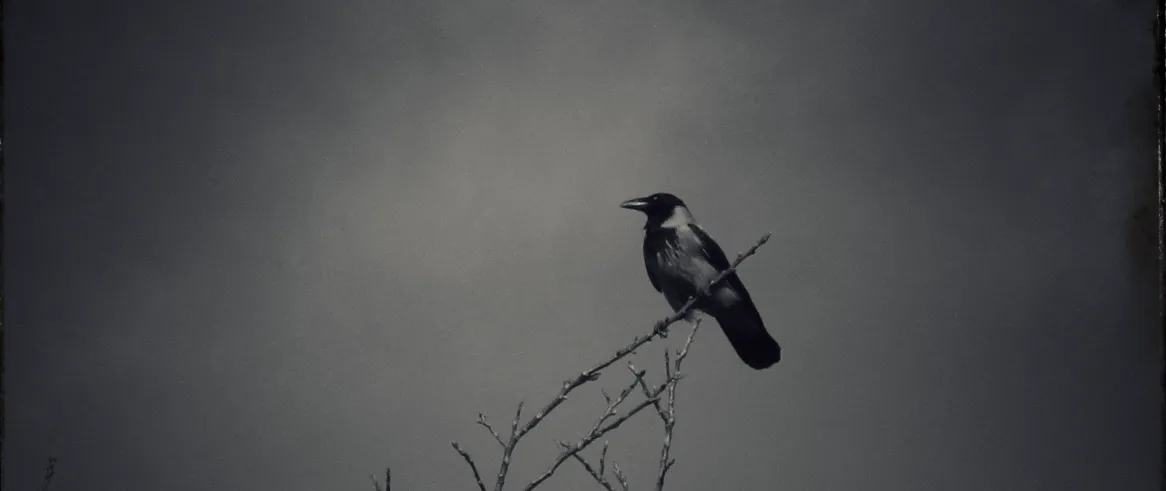
The App in the Pocket: On the Gamification of Nature
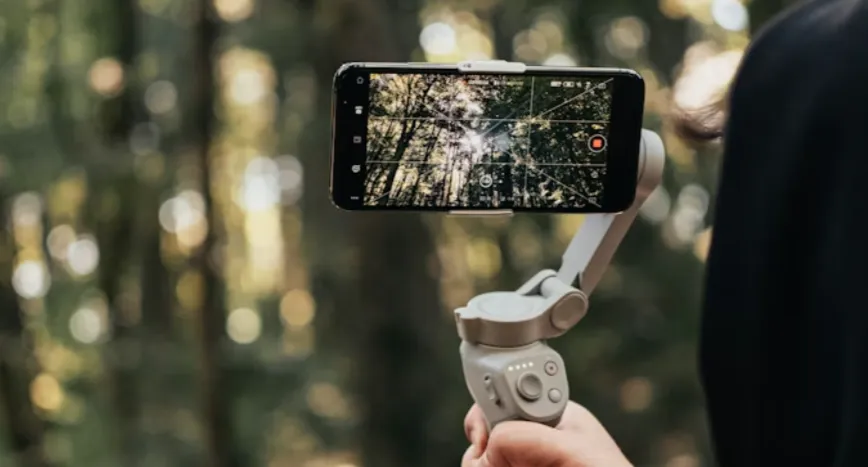
A few weeks ago I watched a man spot a bird.
He raised his phone, took a picture, uploaded it to an app, and walked away before the bird finished singing.
The whole encounter lasted perhaps five seconds.
Twenty years ago that moment would probably have lasted five minutes. A birder might have watched the bird move through the branches, noted the way it flicked its tail, maybe waited to see if it called again.
Today the rhythm is different.
The goal is often no longer the bird itself, but the act of logging it.
When the App Becomes the Hobby
I was reminded of this while watching a documentary called Listers. It follows two brothers attempting a 'Big Year', the birdwatching challenge of identifying as many species as possible within twelve months.
They begin as enthusiastic amateurs, road-tripping across the country in search of rare birds. At first it feels like an adventure.
But as the film progresses something changes.
The birds slowly become secondary to the software. Each sighting is immediately entered into an app. Rankings update. Leaderboards shift. The next target appears.
They aren’t really watching birds anymore.
They are maintaining a list.
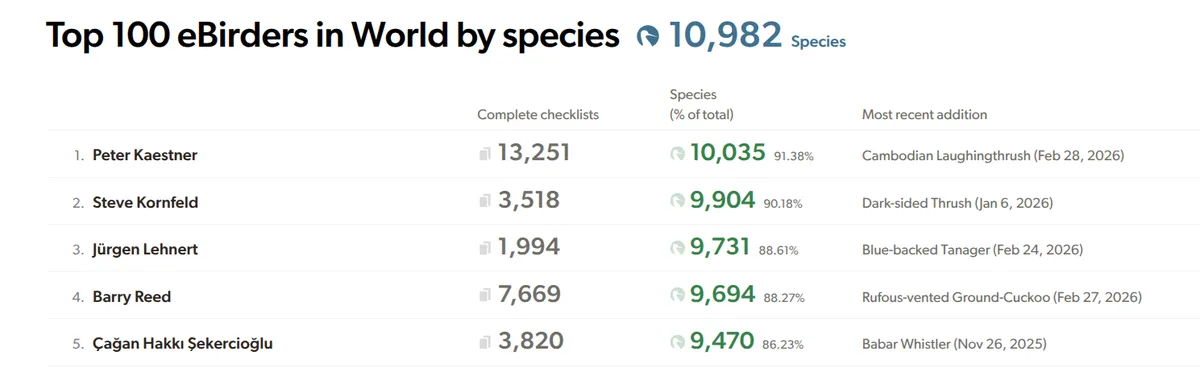
The tools that were meant to support the hobby have quietly become its center.
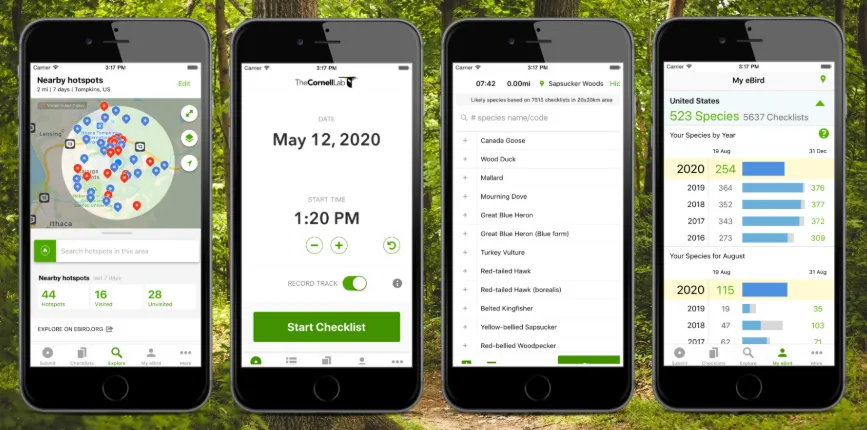
To be clear, the problem isn’t the tools themselves. Platforms like iNaturalist and eBird have transformed biodiversity research. Millions of observations from ordinary people now feed into scientific databases that help track migrations, population changes, and disappearing habitats.
That is an extraordinary achievement.
The problem begins when the tool quietly becomes the goal.
Once that happens, the rhythm of the hobby changes.
Running begins to feed Strava. Reading begins to feed Goodreads. Nature observation begins to feed apps like iNaturalist or eBird.
Gradually the activity itself becomes a mechanism for generating entries, statistics, and achievements.
We have moved from conspicuous consumption, buying expensive equipment, to conspicuous accumulation.
Species. Miles. Books. Badges.
If the observation isn’t logged, the experience can feel strangely incomplete.
The Analog Firewall
This is one reason I keep the digital world at a distance when I am outside.
I don’t carry a smartphone.
In 2026 that decision often seems eccentric, but for me it functions as a kind of firewall.
Because I cannot instantly upload an observation, every encounter with a plant or animal must stand on its own first. When I find something unusual, a moth in the vineyard or a spider beneath a stone, I have to rely on my eyes, my memory, and whatever field guides happen to be nearby.
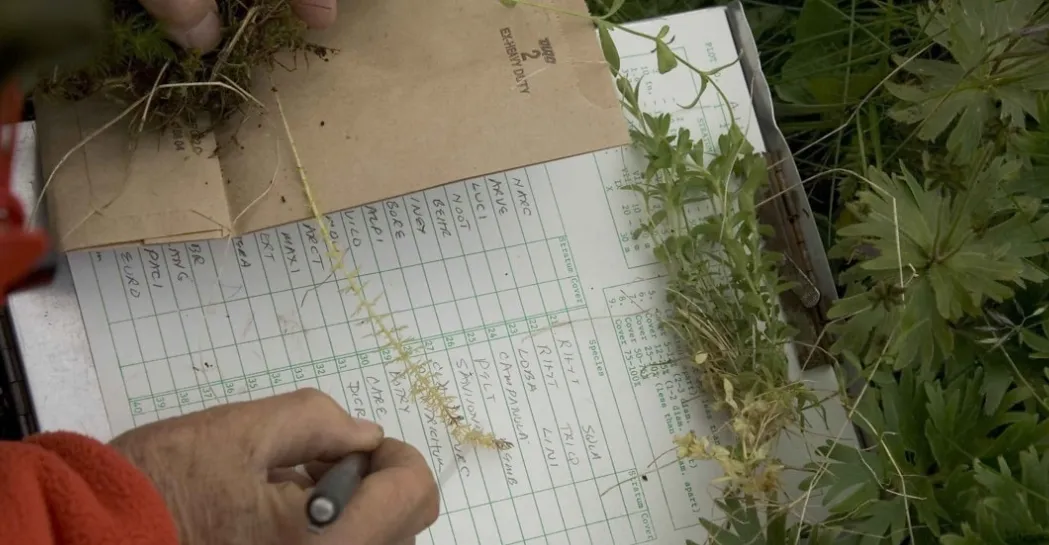
Sometimes I photograph it with a camera. But the image stays on a memory card until I return home.
There is no immediate reward. No notification. No 'New Species' badge appears on the screen while I am still standing in the grass.
By the time I sit down at a computer, the encounter already belongs to memory.
The map receives the data later.
Science Without the Scoreboard
I still upload observations.
In my corner of southwestern Hungary, the digital maps are quiet. Many species simply haven’t been recorded yet. Adding them feels less like scoring points and more like contributing a small note to a shared scientific record.
Before uploading anything, however, I try to identify it myself.
That usually means sitting with a plant for a while, comparing leaf shapes, checking flower structures, flipping through identification keys. The process is slow, occasionally frustrating, and immensely satisfying when the answer finally appears.
By the time I upload the observation, I already know the organism in a deeper way than a quick photograph could provide.
The app becomes a form of peer review rather than a game.
Keeping the Guts Intact
There is a revealing moment in Listers when a top-ranked birder is asked a simple question:
'If the app didn’t exist, would you still go birdwatching?'
He laughs and answers, 'No'.
That answer is unsettling.
Because the birds would still be there.
They would still sing at dawn.
They would still migrate across continents.
The question, is whether we would still be paying attention.
For me, the 'slow' approach to observing nature is really about protecting that attention.
Not rejecting technology, but refusing to let it rush the encounter.
The map records the sighting.
But the experience belongs to the person who stopped walking.