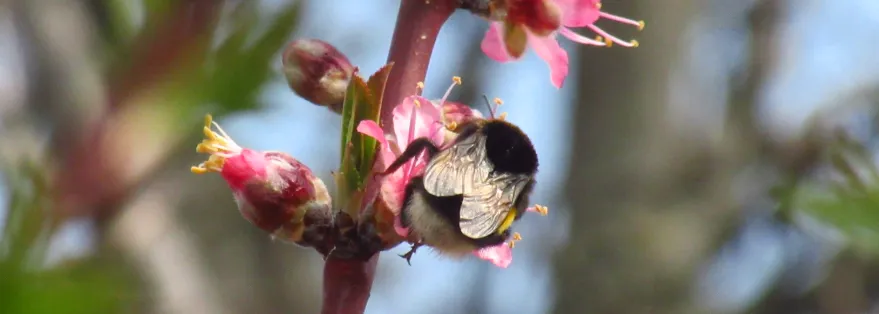
The Flower and the Thief
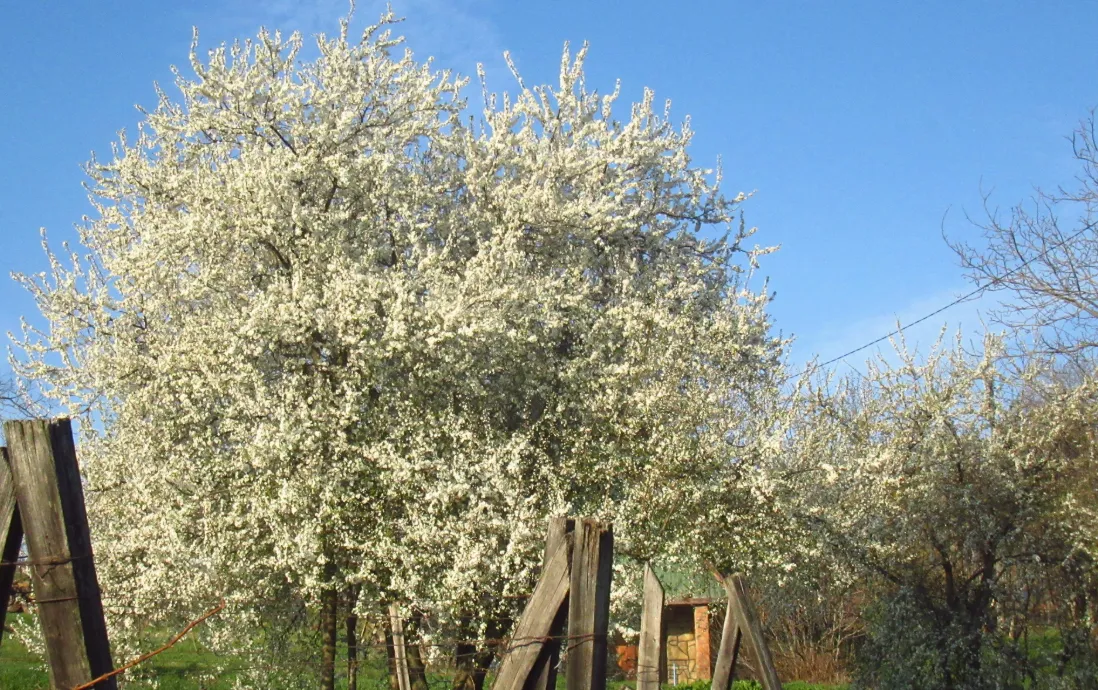
The plum and almond trees are in blossom.
From a distance it looks peaceful. White and pale pink flowers, bare branches, the first real colour after a long grey winter. But spend some time standing underneath one of those trees with a camera, and a different picture emerges. The trees don't make these blossoms as a gift for the insects. Instead it is a negotiation, and not everyone is playing by the rules.
What the Tree Actually Wants
A fruit tree in blossom has a problem.
The flowers will only last a week or two, sometimes even less if the weather turns. During that time, the tree needs pollen carried from one flower to another, ideally to a different tree of the same species, to be able to produce fruit. It cannot move. It cannot choose who visits. All it can do is 'advertise'.
The white petals are the advertisement. The nectar is the payment. The yellow pollen-dusted anthers are the whole point.
But nectar is expensive to produce. The tree is not being generous. It is offering the minimum required to attract the visitors it needs, while engineering the flower in a way that any insect collecting that payment, is almost certain to brush against the anthers on the way in and carry the pollen with them on the way out.
Not every visitor cooperates.
The Honest Visitors
Bumblebees
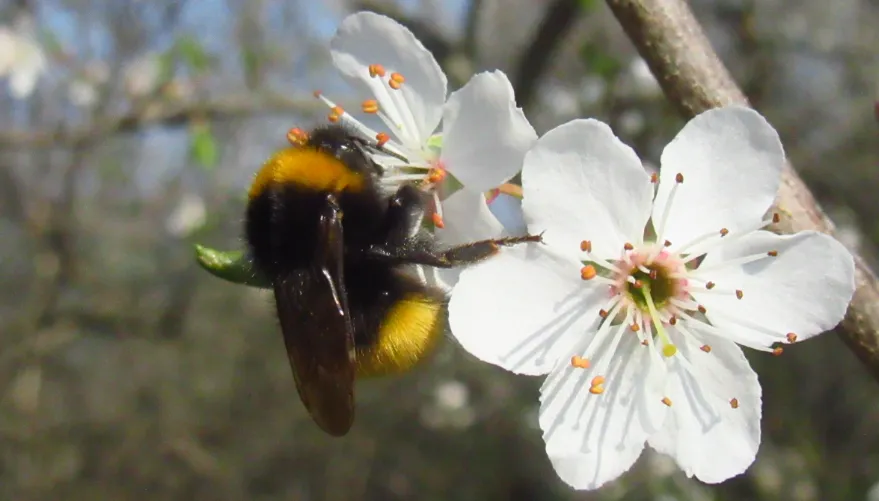
The most obvious visitor is also the most straightforward.
She is enormous relative to the flower. You can see in the photograph how the branch dips slightly under her weight. She wants nectar and pollen both, and she collects them efficiently, pressing deep into the flower and making full contact with the anthers on every visit. She moves from flower to flower, tree to tree, doing exactly what the plum wants her to do.
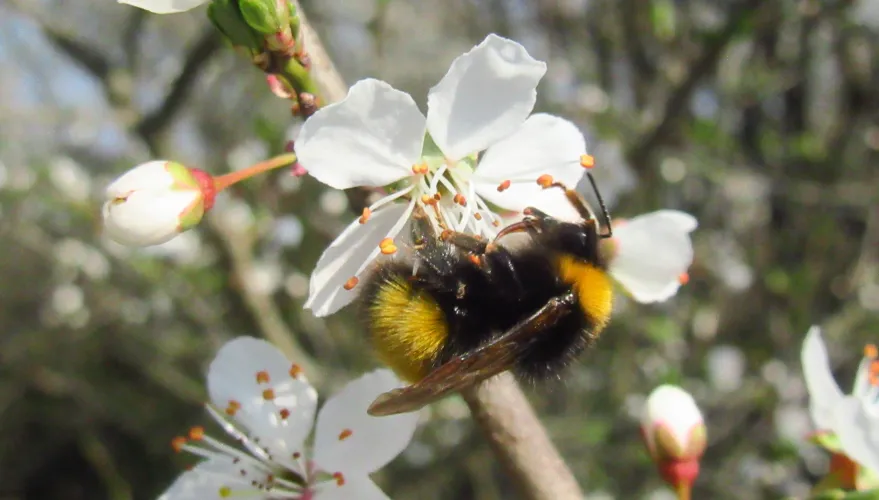
This one is Bombus haematurus, the Blood-tailed Bumblebee, recognisable by the striking orange-red tail. It's a central and eastern European species that you won't find in western Europe at all. She is almost certainly a queen operating alone right now, every flower she visits providing fuel for a colony that doesn't exist yet. I wrote about the Buff-tailed queen a few weeks ago when she was still searching for a nest site. By now she has almost certainly found one and started laying, although there are still plenty of Buff-tails bumbling around.
Honeybees
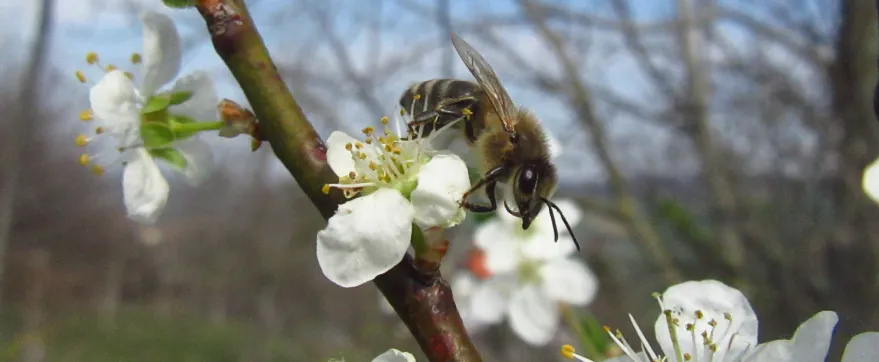
The honeybee is equally honest, if slightly less dramatic. With fifty hives next door, the fruit trees here are never short of honeybee visitors. They are efficient pollinators, good contact with the anthers, regular movement between flowers, though they tend to work faster and less thoroughly than the bumblebees. Quantity over quality, perhaps.
The honeybee gets most of the public credit for pollination, probably more than it deserves given everything else that's happening on these same flowers. I'll come back to that in a future post.
Solitary Bees
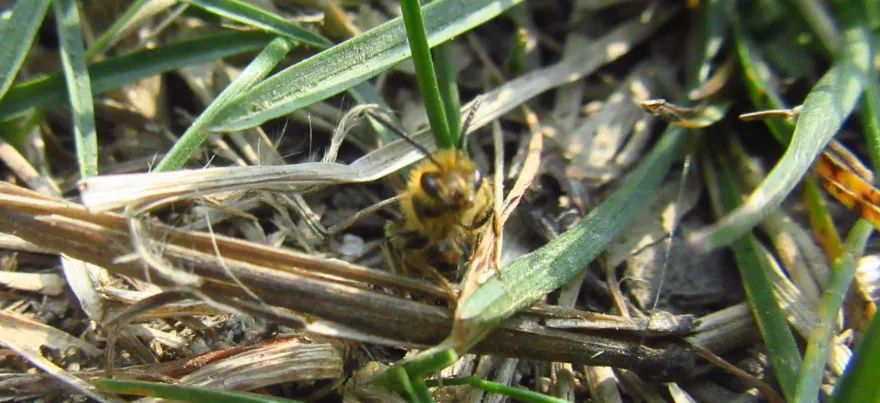
What most people don't notice are the smaller, quieter visitors. Several solitary bee species were working the blossom and the low-growing flowers underneath the trees during the same time I was standing there. A small dark bee with a faint metallic sheen, likely Halictus or the Sphecodogastra subgenus, moved between flowers quickly, too fast to photograph more than once. On the almond blossom, a slender dark Andrena worked the pink flowers methodically. In the grass below, Andrena gravida, a chunky, pale-banded species, foraged on the tiny flowers growing at ground level.
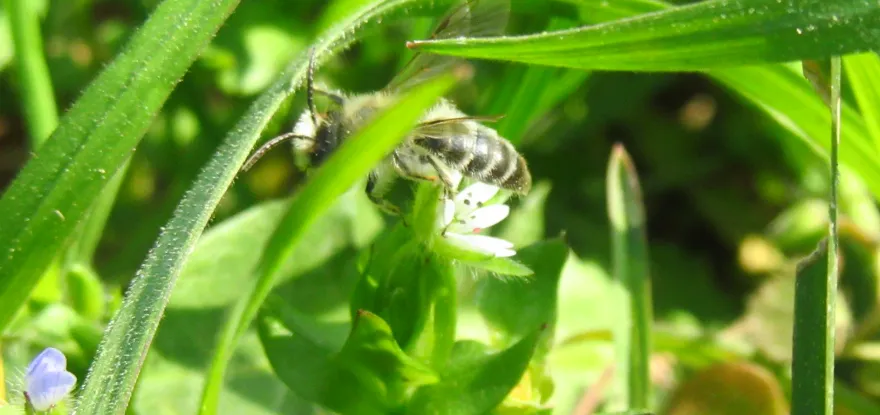
Three different bee families on one tree in one hour. Each with a different body shape, different preferences, different tolerance for cold and wind. That variety matters more than it might seem, no single species can cover all the conditions a fruit tree faces during its short flowering window. The more diverse the visitors, the better the tree's chances.
Hoverflies
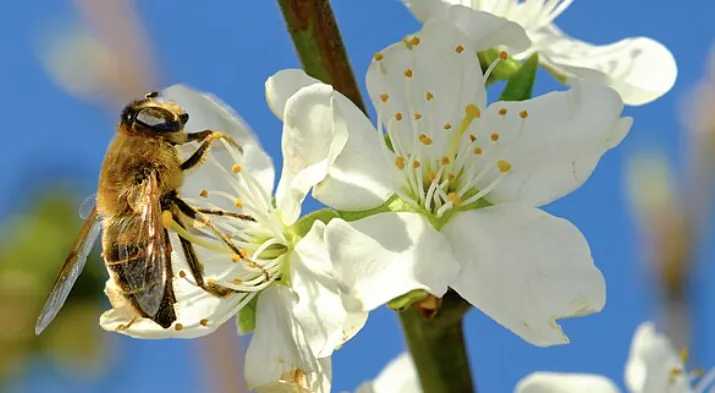
The hoverfly is where things get more complicated.
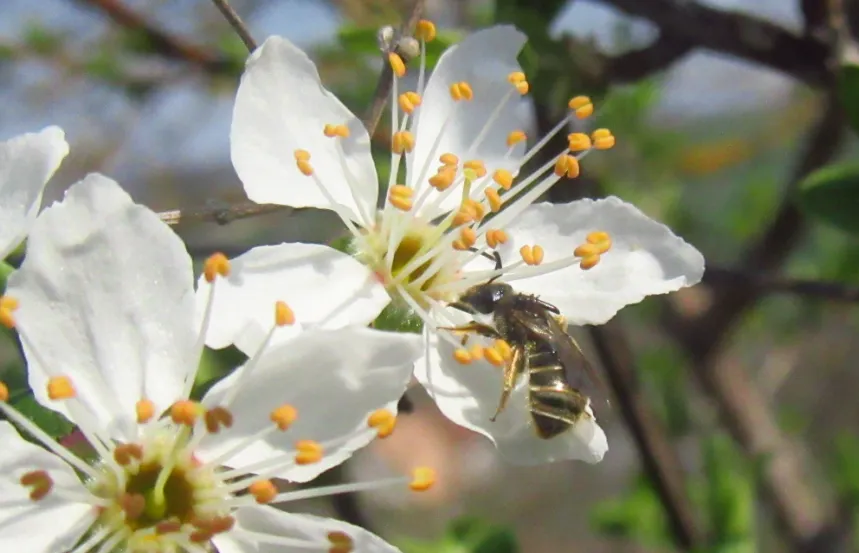
They're worth mentioning because they're almost always present on spring blossom and almost always mistaken for bees. Many species are remarkably convincing mimics. They're not bees, they're flies, with two wings instead of four, but they do visit flowers genuinely and do carry pollen. They're generally less hairy than bees, so they're less efficient at it, but they're more cold-tolerant and keep working on days when most bees stay home. On a grey, chilly morning in March, the hoverflies are often the only thing moving in the blossom.
Wasps
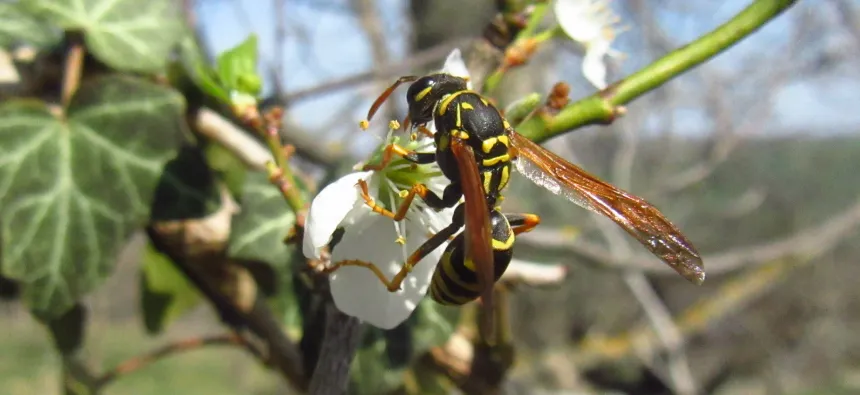
The paper wasp queen, a Polistes species, gets a worse reputation than she deserves.
Most people's first instinct on seeing a wasp in the blossom is to wave it away. But a queen wasp in early spring is not interested in anyone. She is hungry, she is alone, and she needs energy. Nectar is the fastest way to get it. She visits flowers regularly, picks up pollen in the process, and moves it between flowers whether she intends to or not.
Later in the season, when her colony is established, wasps become important predators of the aphids and caterpillars that damage fruit trees. The same animal that ruins a late summer picnic has been quietly useful since March. She just doesn't get credit for it.
The Cheats
Chafer Beetle
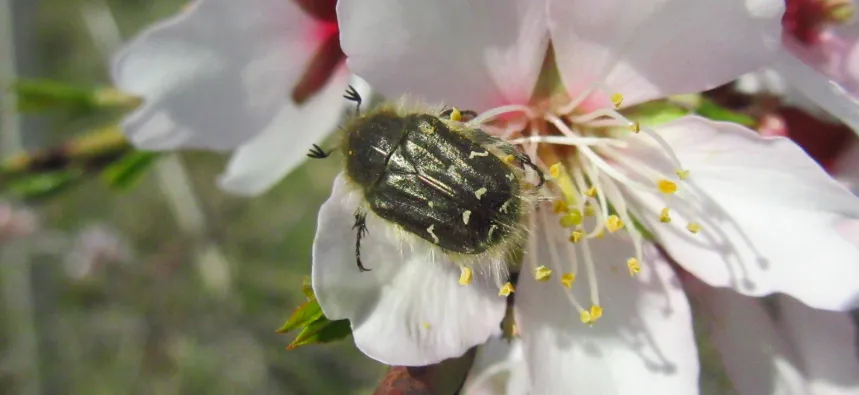
Now we get to the cheats.
The large beetle in the blossom photographs is a chafer, most likely Tropinota hirta, the Hairy Rose Chafer, or the closely related Oxythyrea funesta. Both are common on spring blossom here in Hungary, and both are essentially eating without paying.
A chafer beetle in a flower is not visiting politely. It is eating. It crawls through the flower consuming pollen directly, occasionally damaging the anthers and petals in the process. It is hairy enough to carry some pollen accidentally, and occasionally that pollen does end up on another flower. But the tree is not getting a fair deal. The chafer is taking considerably more than it is giving back.
The flower cannot tell the difference between a bee arriving to pollinate and a beetle arriving to eat. The entrance is open to everyone.
Pollen Beetle
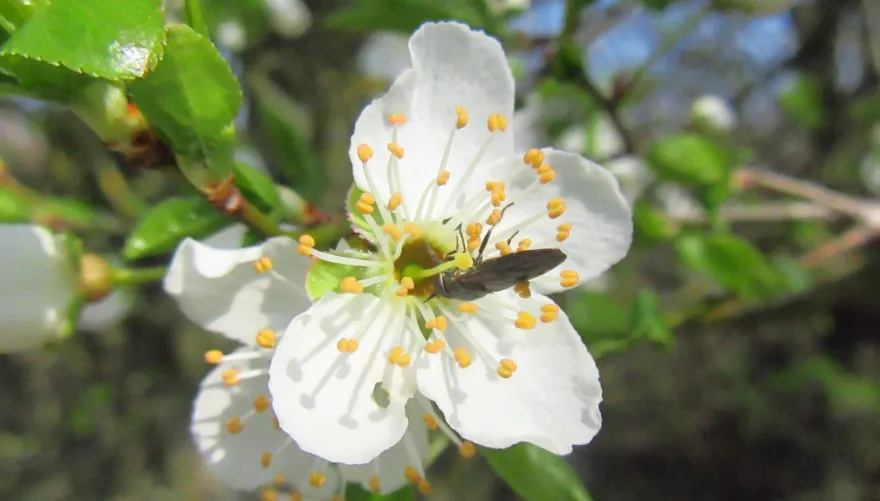
The chafer is at least large enough to notice. The pollen beetle is not. The small dark insect visible at the centre of the photograph is almost certainly a Meligethes species. Same story as the chafer, smaller scale. It crawls in, eats the pollen it came for, and leaves. If the chafer is a brazen opportunist, the pollen beetle is a pickpocket.
The Ladybird
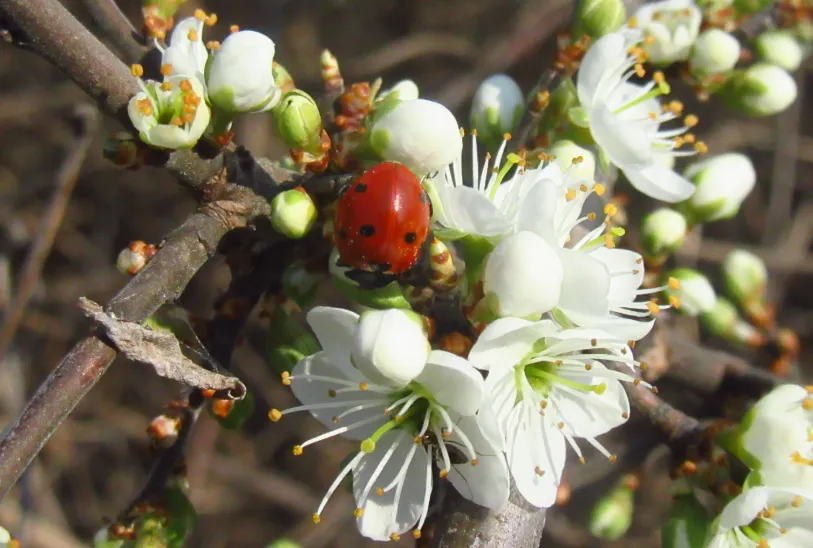
The 7-spotted ladybird has no interest in the flower at all. She is here for the aphids, which are beginning to appear on the new growth at this time of year. They are still soft, pale, and almost invisible against the green buds, but the ladybirds are already on the hunt. From the tree's perspective, this visit is entirely neutral. The ladybird neither helps nor hinders pollination. She is simply using the blossom as a hunting ground while the opportunity exists. I wrote about ladybirds recently, about their reputation for gentle harmlessness and their reality as efficient predators. Seeing one in the blossom shows that what looks like a simple flower is actually a busy intersection, with different visitors passing through for entirely different reasons, mostly indifferent to each other.
Half an Hour Under the Plum
By the time I came back inside, the light had changed and the wind had picked up. The visitors had largely dispersed.
The trees looked the same as they had from a distance that morning. White flowers, bare branches, quiet.
But I had spent almost an hour watching something more complicated than that. A bumblebee queen fuelling a colony that doesn't exist yet. A wasp that nobody credits with anything useful. Two kinds of beetle eating without giving much back. A ladybird looking for something that has nothing to do with flowers. And underneath it all, in the grass among the plants that most people pull out without looking, solitary bees working flowers that nobody planted and nobody notices.
The tree just needs the pollen to move. Most of the time, despite everything, it does.