The Nest, One Day Later
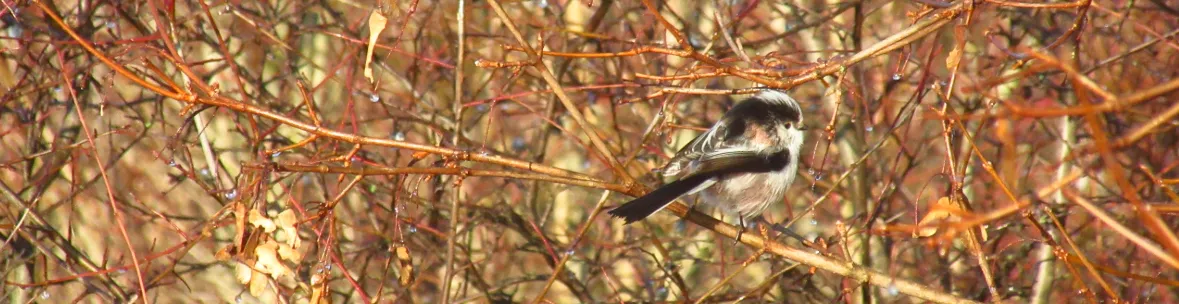
Yesterday I wrote a post about finding a long-tailed tit nest in the hedge.
We didn’t scare them away. Quite the opposite.
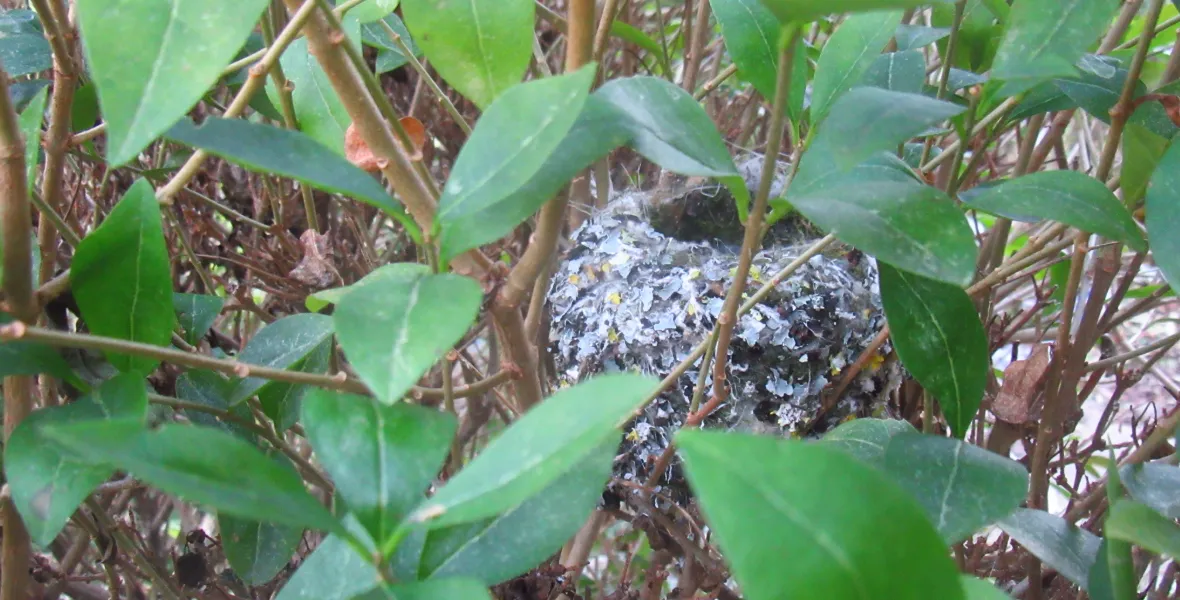
They’ve been moving back and forth all day. Moss, spider-silk, lichen. Always something in their beaks. The process is surprisingly methodical: moss first, then bound together with spiderwebs, then covered in lichen to break up the outline. Repeat.
Between yesterday and today, the nest has doubled in size. It has moved from a shallow bowl to a recognizable pouch.
When they were both away collecting materials, I carefully stepped in to take a closer look.
The Stalker in the Cherry Tree
But while watching them, we noticed a stalker. A great tit was following them around, keeping his distance, watching every move. It was suspicious. Great tits are known bullies; they won’t shy away from stealing a nest from a smaller bird to save themselves the labor.
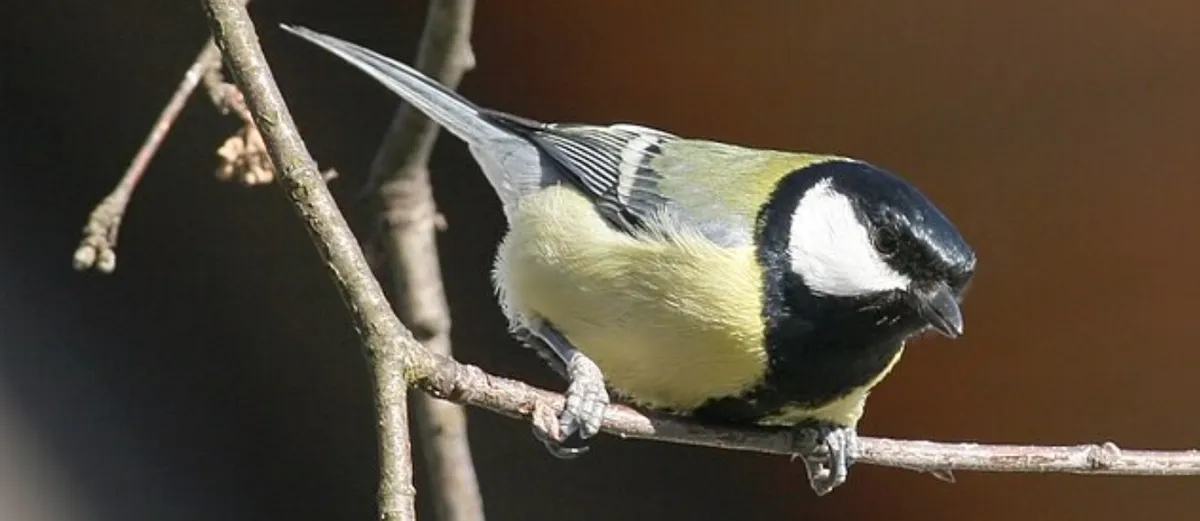
However, the chance of a 'nest-jacking' here is small. Great tits are cavity-nesters. They want holes in trees or solid nest boxes. They wouldn't even know how to use a flexible, woven pouch.
A Rabbit Hole: Stolen Identity
If the great tit isn't after the 'house', what is he doing? To understand the tension, you have to look at how these species interact.
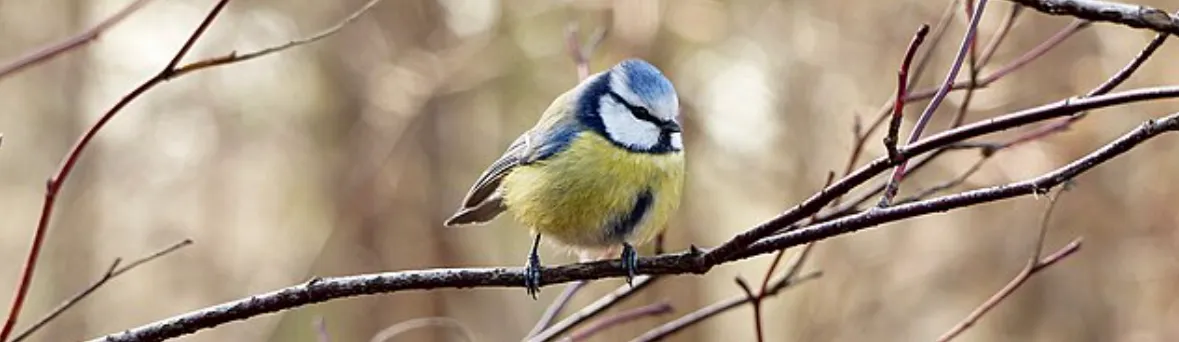
I found a study from central Spain where researchers monitored hundreds of nesting boxes. They found that great tits frequently steal the nests of blue tits. Sometimes the blue tits even fight to the death, protecting their nest and eggs. The researchers found great tits raising their own brood on top of the 'lifeless remnants' of the previous owner.
In other cases, the blue tits get a quiet revenge: they sneak back in and lay an egg in the great tit’s nest. 'You steal my hole? You rear my chicks.'
The result is a biological mystery called sexual misimprinting:
Blue tit chicks raised by great tits grow up thinking they are great tits, but they eventually 'correct' themselves after fledging. They learn to be blue tits.
Great tit chicks raised by blue tits never recover. They spend their lives singing blue tit songs and even trying to mate with them. They never discover who they actually are.
Why one species can correct its identity and the other can't remains unknown.
The Helper Strategy
Back in our hedge, the great tit's motive is likely simpler: resource theft. He’s likely following the long-tailed tits to find where the best moss and wool are hidden, intending to steal the materials for his own cavity nest.
And here’s the final twist: despite the name, long-tailed tits aren’t actually 'tits' at all. They don't belong to the family Paridae (the true tits and chickadees). They are part of Aegithalidae, a group of birds found mostly in Asia that are famous for cooperative breeding.
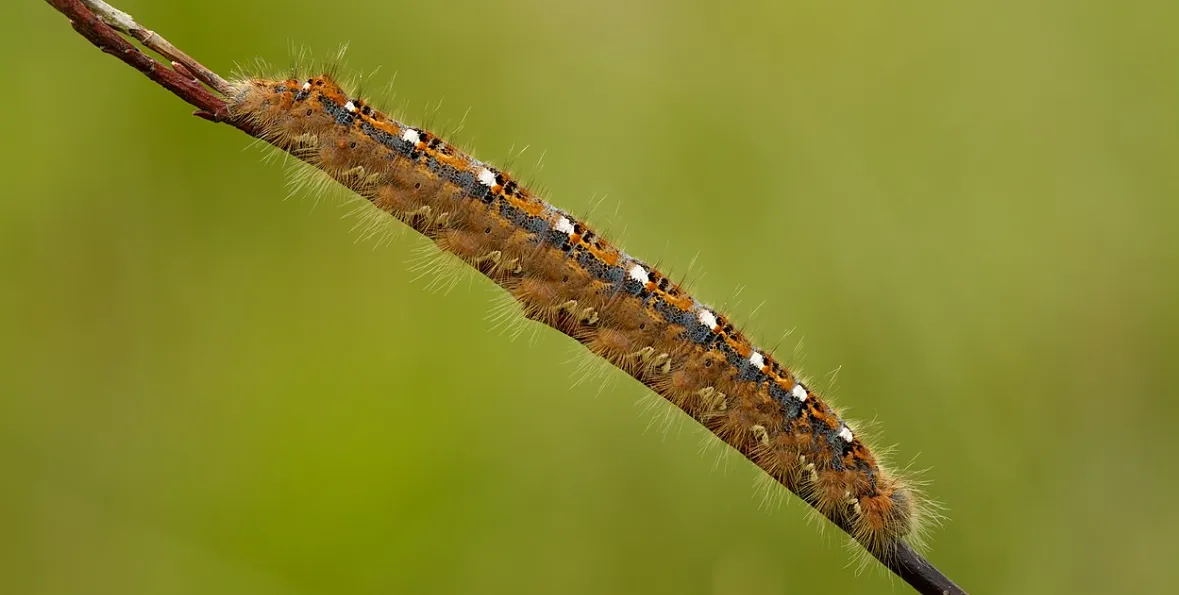
In about 50% of the nests, the parents aren't alone. They are joined by 'helpers', relatives whose own nests failed earlier in the season. These 'aunts and uncles' help forage, which comes in really handy because it takes between 6,000 and 9,000 caterpillars to raise a single brood to fledging!
That is a staggering amount of biological pest control for one garden hedge if you think about it.
So, we’ll leave the shears in the shed for now. The nest is almost closed at the top. The great tit is still watching. And we are waiting to see if this pair will be doing all that work alone in a couple weeks time, when the eggs have been laid and hatched, or if the 'family' is about to get a lot bigger.