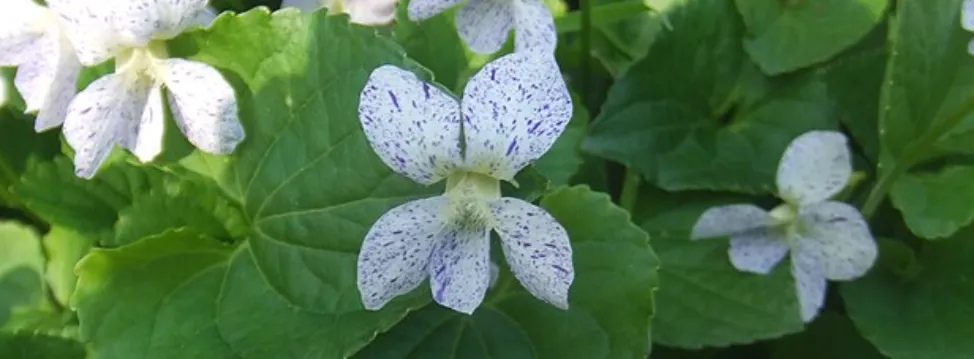
The Secret Flowers of the Violet
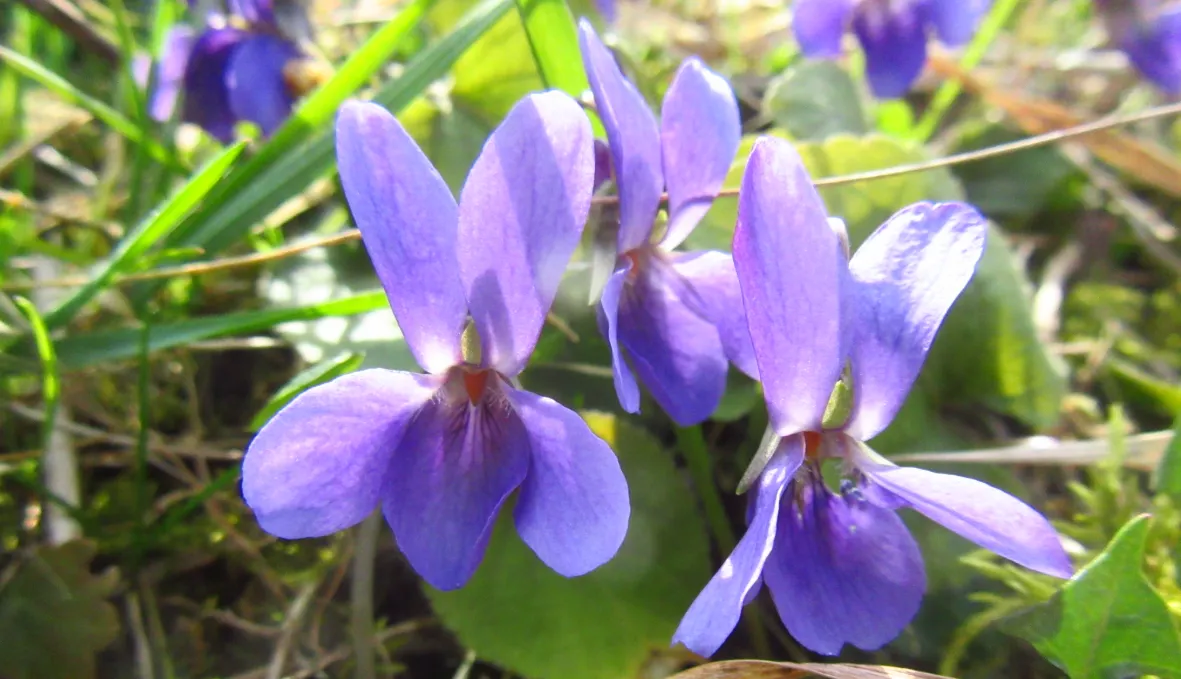
Late in the season, when the spring flowers have faded and the insects become less reliable partners, the violet quietly switches to a new strategy... It begins producing flowers that never open.
Flowers That Never Bloom
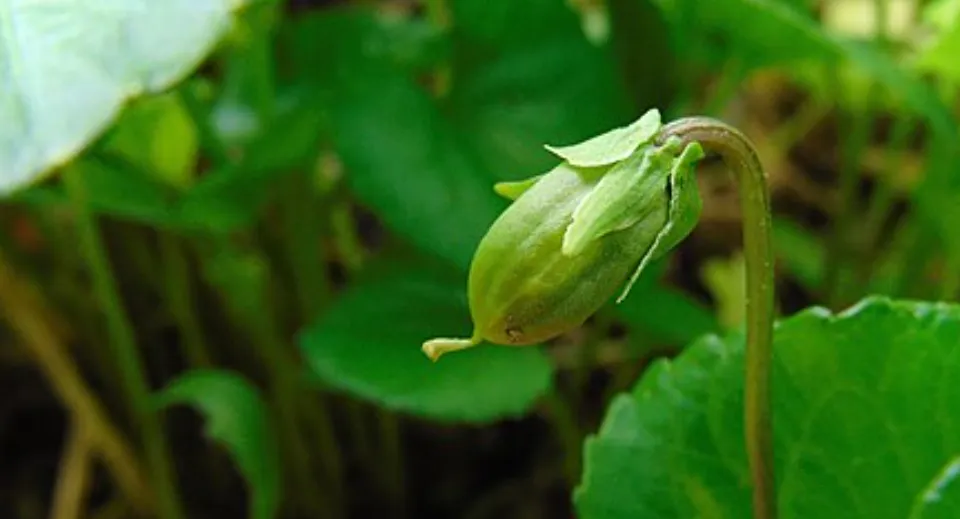
These hidden blossoms are called cleistogamous flowers. Unlike the showy spring violets, they are small, pale, and remain tightly closed. Often they develop low in the plant, partly hidden among the leaves. To a casual observer, they barely look like flowers at all. But inside the unopened bud, something very efficient happens: the flower pollinates itself.
Without opening. Without nectar. Without any insect visitors. The plant simply fertilizes its own ovules and produces seeds.
Two Strategies in One Plant
This means that violets actually run two completely different reproductive systems.
In spring, the plant invests in attractive flowers that advertise to pollinators. Bees carry pollen between plants, mixing genetic material and producing diverse offspring.
Later in the season, the cleistogamous flowers ensure that seeds are produced even if pollinators disappear or weather conditions turn unfavorable.
One strategy favors genetic diversity. The other guarantees reproductive certainty. It's a bit like buying a lottery ticket and also keeping money in a savings account.
The Quiet Efficiency of Plants
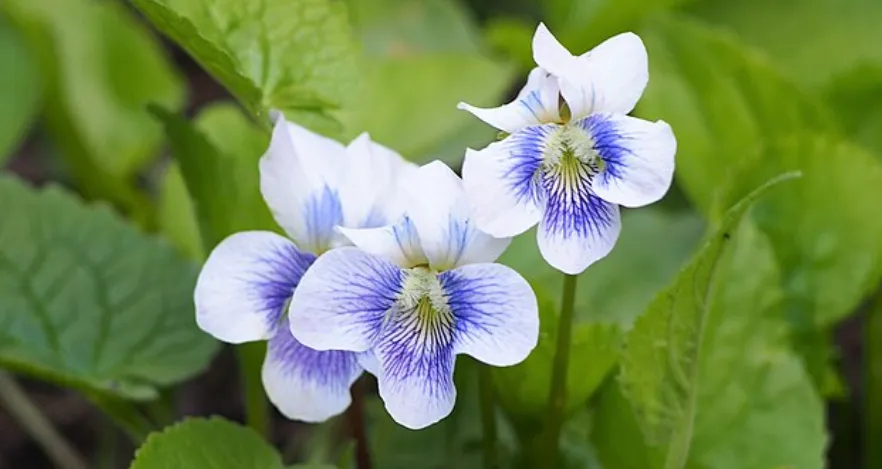
For a naturalist, this is one of those small details that changes how you see a familiar plant.
What looked like a simple wildflower in the lawn is actually running a flexible reproductive strategy that botanists have studied for more than a century. The open spring flowers are the visible part of the story. The real insurance policy happens quietly, almost invisibly, later in the year.
And even that is not the end of it.
The Ants
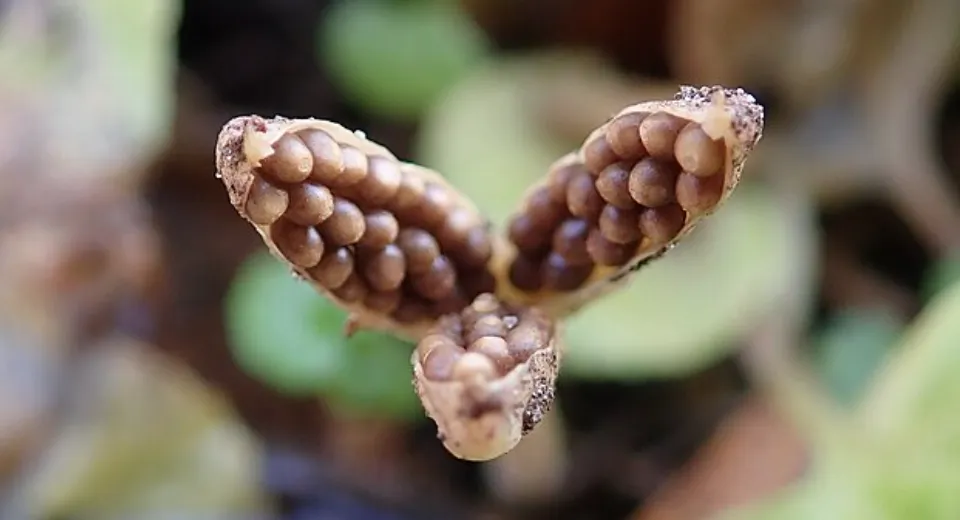
Once those seeds are ready, the plant faces another challenge. Seeds don't move very far on their own. A plant that drops all its seeds directly underneath itself quickly runs into problems. The seedlings compete with the parent plant for light, water, and nutrients. Many will simply fail to establish.
So violets have evolved a solution. They hire ants.
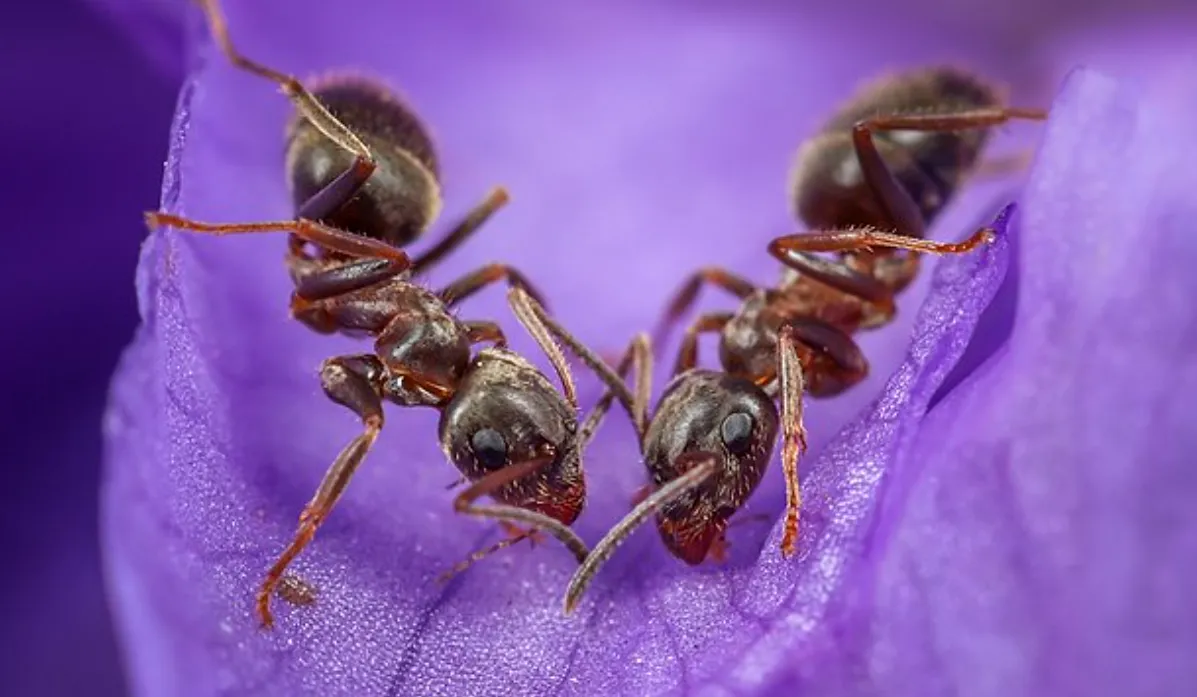
A Seed With a Reward
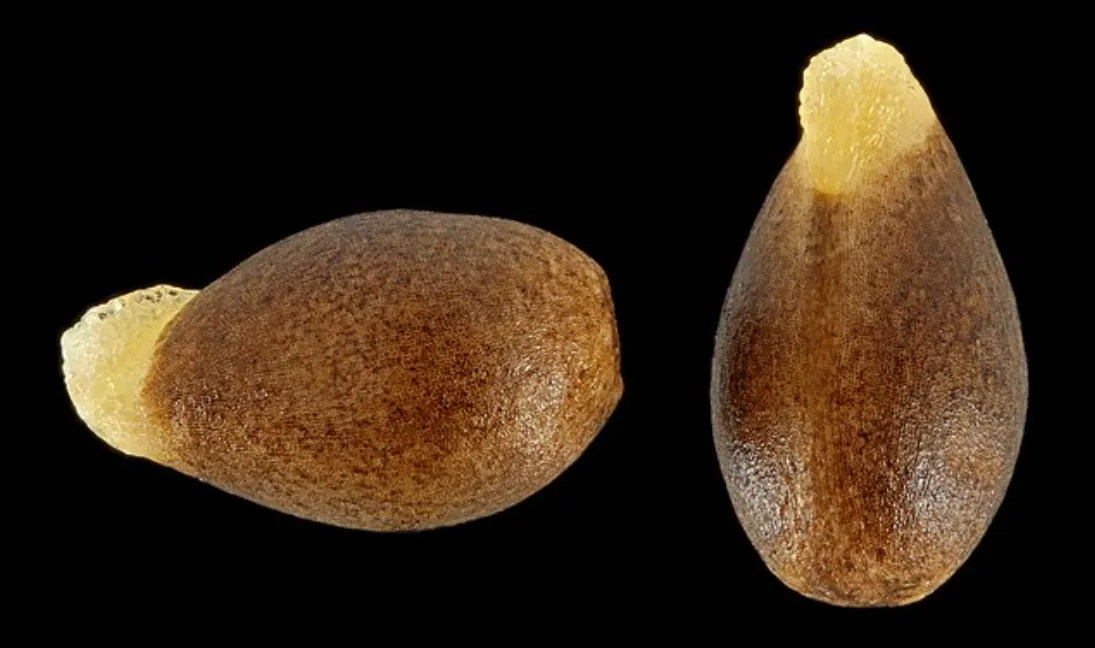
If you look closely at a violet seed, you will notice a small, pale structure attached to one end. This is called an elaiosome.
To an ant, it is a tiny food package, rich in fats and proteins, exactly the kind of resource ants collect and carry back to the nest. When ants encounter violet seeds on the ground, they pick them up and transport them home.
But they are not interested in the seed itself. They only want the elaiosome.
Delivery Service
Back in the nest, the workers remove the nutritious attachment and feed it to their larvae. The seed, now stripped of its edible bonus, is discarded. Usually somewhere in the colony's waste pile, or just outside the nest entrance. Luckily, this usually turns out to be an excellent place for a plant to grow. The soil around ant nests is loose, nutrient-rich, and well aerated, ideal conditions for germination.
Without realizing it, the ants have just planted the violet somewhere new.
A Quiet Ecological Contract
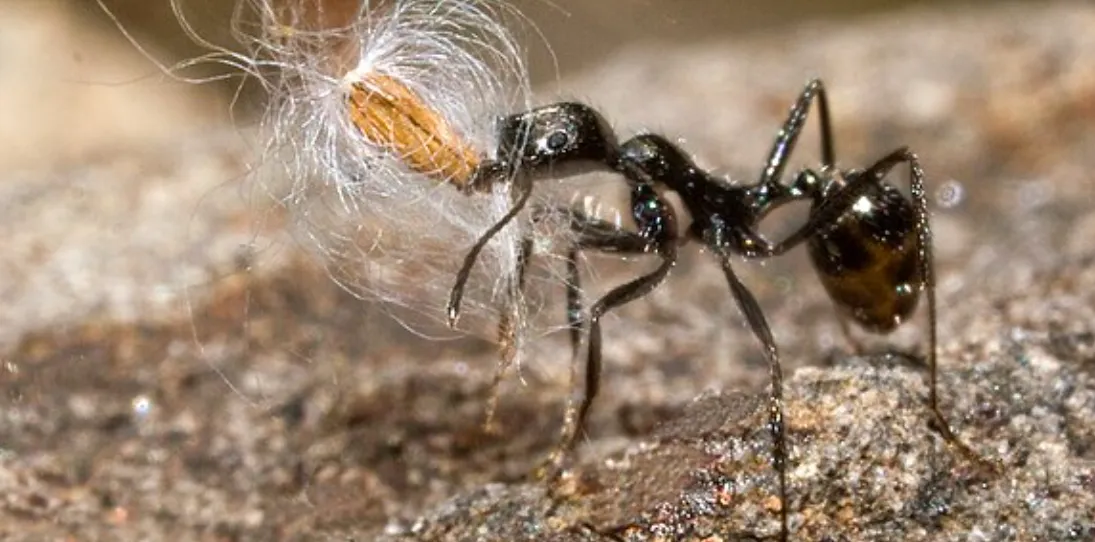
This interaction is called myrmecochory; seed dispersal by ants. Hundreds of plant species use this strategy, particularly in forests and woodland edges. The arrangement is straightforward: the ants receive a nutritious reward, the plant gets reliable dispersal and a better chance for its offspring to establish somewhere with room to grow. Simple, and remarkably effective.
A Flower That Travels
Next spring, when violets appear again in the lawn or along the garden paths, some of them may not be growing where last year's plants stood. They may have been moved. A few centimeters. Sometimes a meter or more. Carried underground by ants that were only looking for food. A tiny act of transportation that quietly shapes where violets grow, season after season, without anyone noticing.