What Happened to the Nest
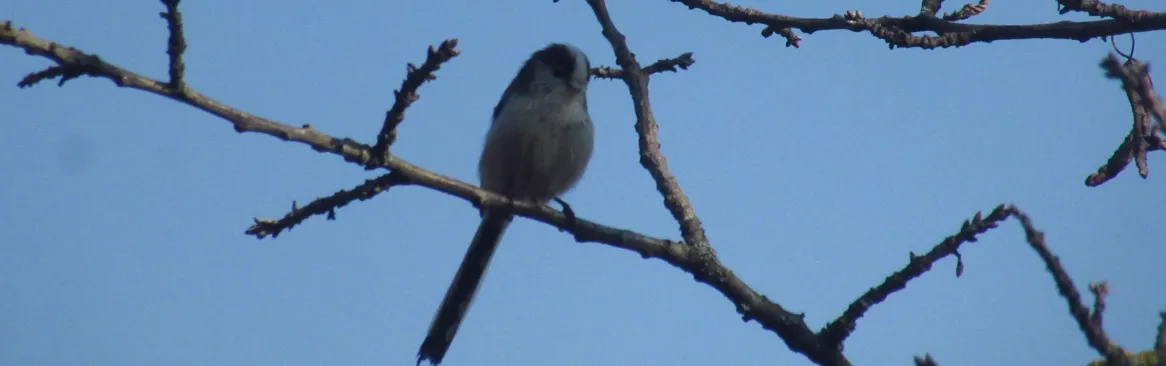
Yesterday evening, the long-tailed tit nest looked almost finished. The mossy oval was closed on all sides except for a small, neat entrance hole. After days of watching the pair shuttle back and forth with lichen and spider silk, it finally looked like a proper house.
This morning... the roof was gone.
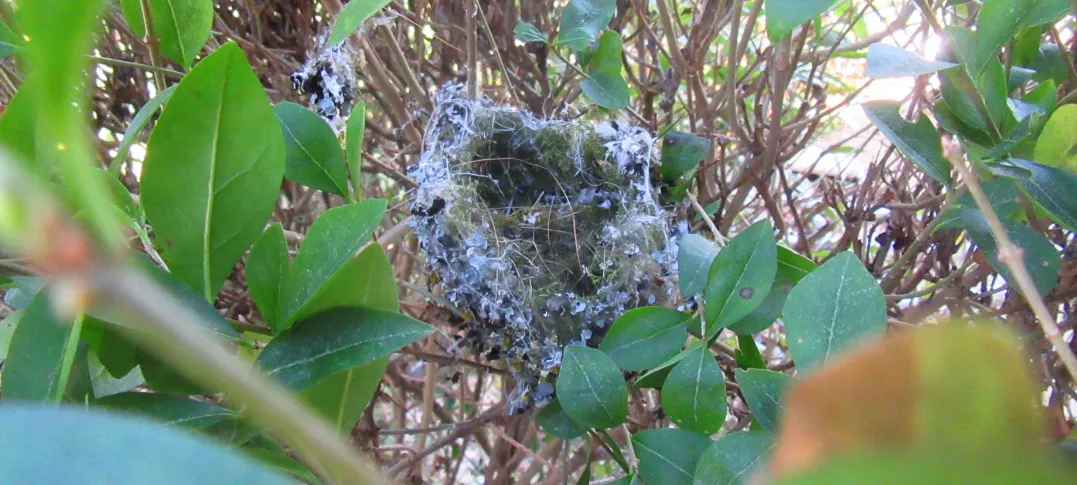
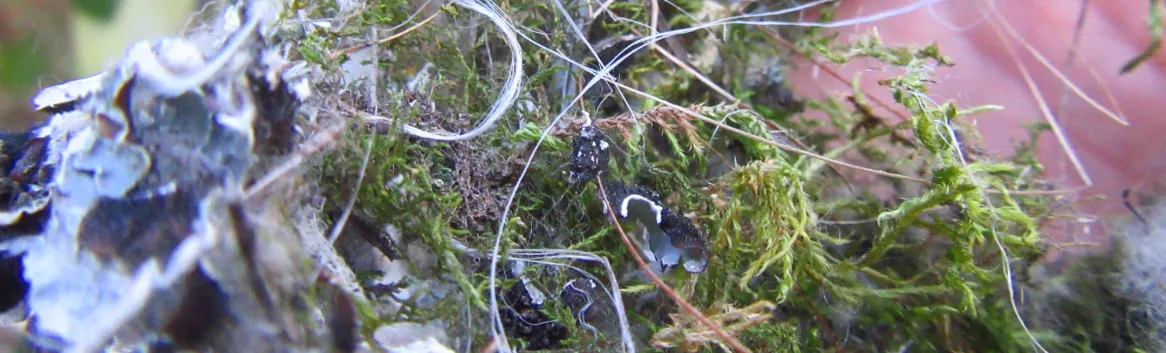
The top had been torn open, leaving the soft feathery lining exposed. Moss and lichen hung loose where the structure had been so carefully stitched together. The long-tailed tits were nowhere to be seen.
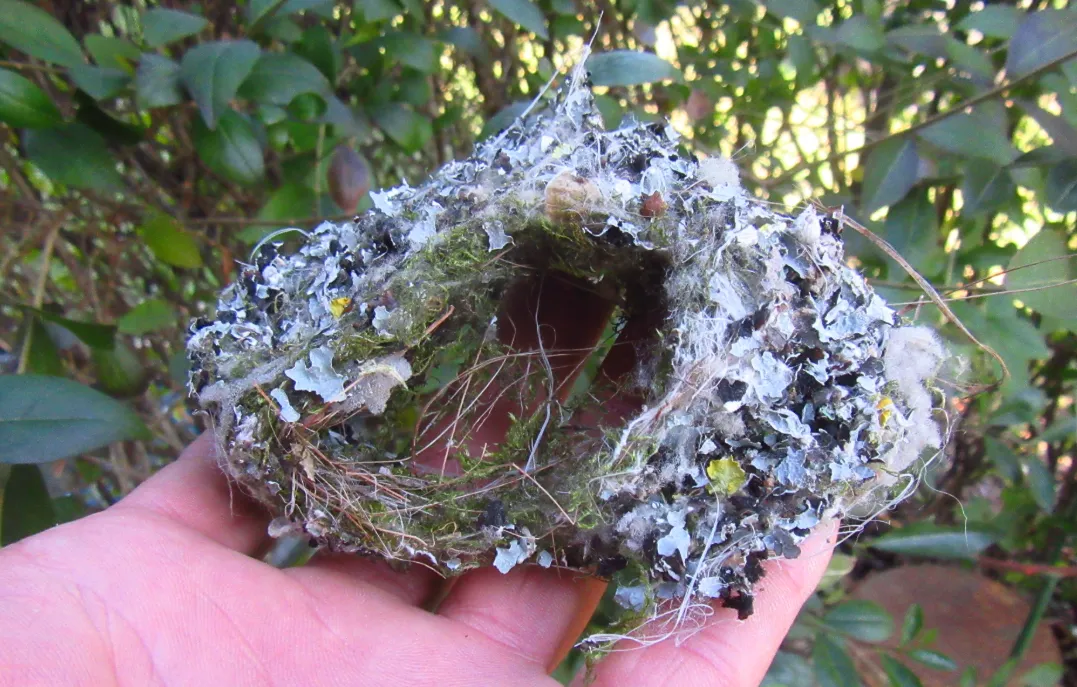
A few meters away, in the grass beneath the hedge, I found the missing roof. A patch of moss and lichen, still held together by threads of spider silk. It looked as if someone had simply ripped it off and dropped what they didn’t need.
Then something flew out of the hedge.
A great tit.
The Suspect
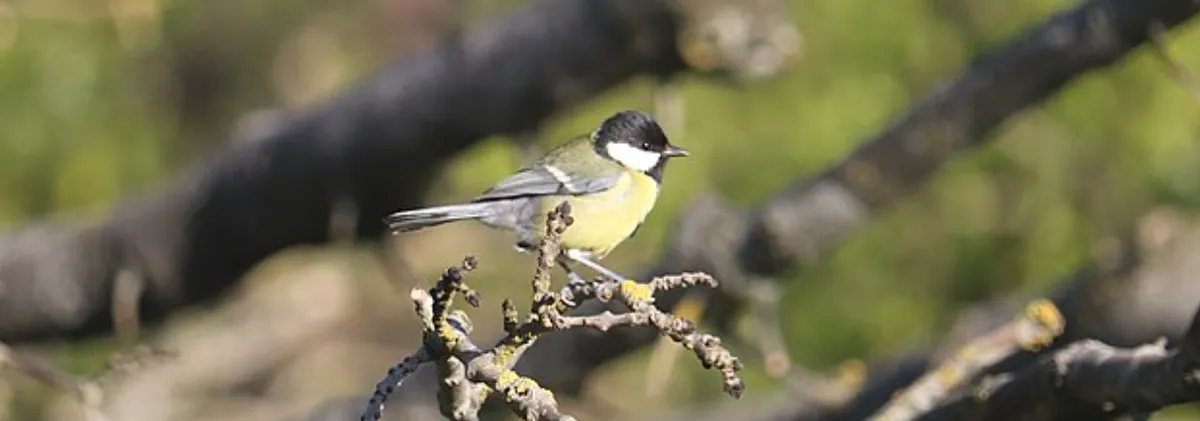
In my last update, we noticed a great tit keeping an eye on the construction site from the cherry tree. At the time it seemed like curiosity. Now the evidence looks a bit more criminal.
Biologists would call this 'material kleptoparasitism'. Instead of collecting nesting material on its own, the great tit simply took it from a neighbor who had already done the hard work.
He doesn't want to live in the nest. Great tits are cavity nesters and have little use for a woven pouch like this. To him, the nest was simply a convenient pile of building supplies.
A long-tailed tit nest is full of useful things: moss, feathers, spider silk, wool. By tearing the roof off, the great tit traded the builders’ days of labor for a few minutes of his own.
Abandoned Property
Once a nest is damaged like this, the birds rarely repair it. The architecture of a long-tailed tit home depends on the tension between thousands of tiny fibres. Once that balance is broken, the whole structure begins to sag.
Usually it is easier for them to abandon the site and start fresh somewhere else than to patch the ruins.
If the nest remains empty, it may attract other opportunists. Maybe a wrens? They sometimes use the remains of a small failed nest as a foundation for their own simpler structures.
Nature does not have much of a problem with squatting.
The 'Aunt and Uncle' Strategy
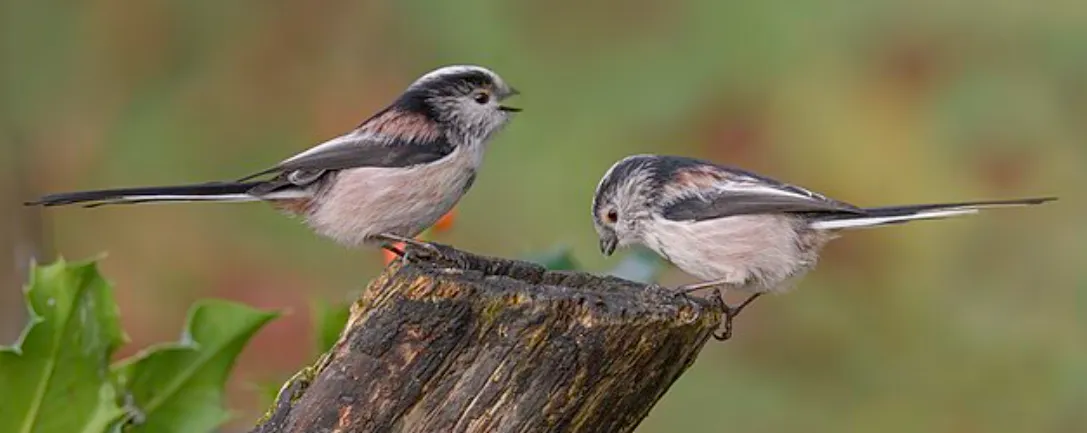
If our pair has indeed moved on, they still have a backup plan.
Long-tailed tits are famous for cooperative breeding. When a nesting attempt fails early in the season, the birds do not always try again on their own. Instead, they often join relatives whose nests are still active.
Once the eggs have hatched, these helpers bring food to the chicks and help defend the territory. It isn’t charity. Because the helpers are usually siblings or cousins, they are still helping their own family succeed.
So, a failed nest doesn’t mean the season is over. Sometimes it simply turns two parents into a pair of aunts and uncles.
The Hedge Is Quiet
For now, the hedge has gone silent.
There are no more quick flashes of grey and pink between the branches.
Just the damaged oval, hanging there with its roof missing.
It took days to build and only a few minutes to tear apart.
Somewhere nearby, though, the birds are almost certainly again at work, gathering moss, pulling silk, and starting again.