The Engineer and the Chemist
I was standing in the garden this morning, waiting for the dogs to 'do their thing' and I noticed something strange on a tree. A bit later, I noticed something even stranger on another tree. So even before I got my first cup of coffee today, I had already found two completely different rabbit holes to dive into today.
The first one was subtle.
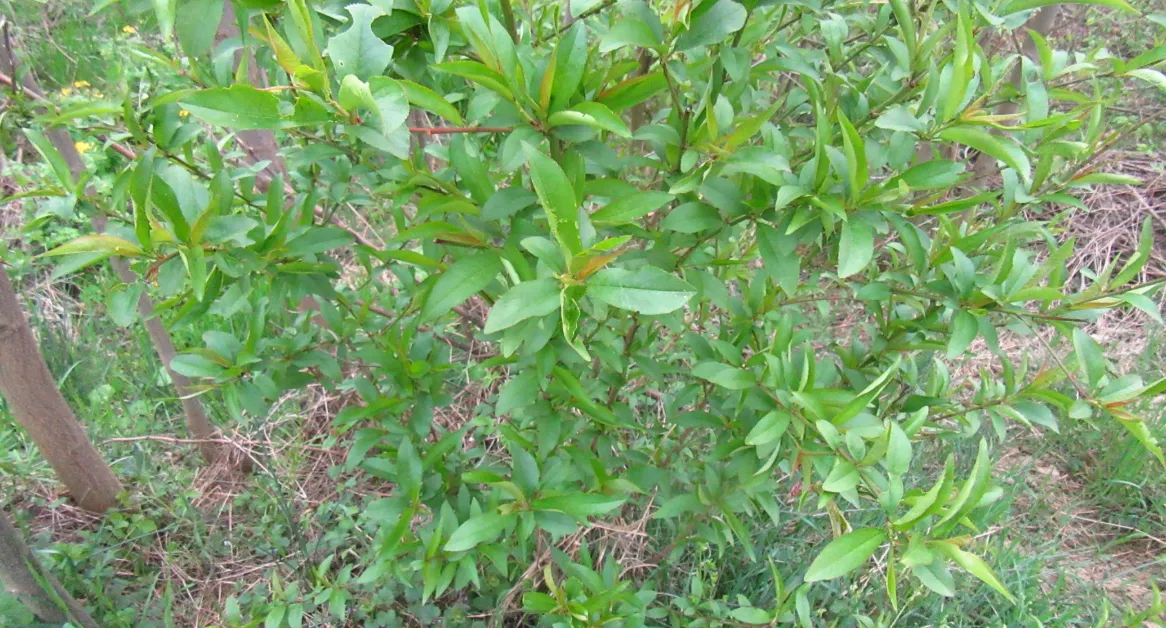
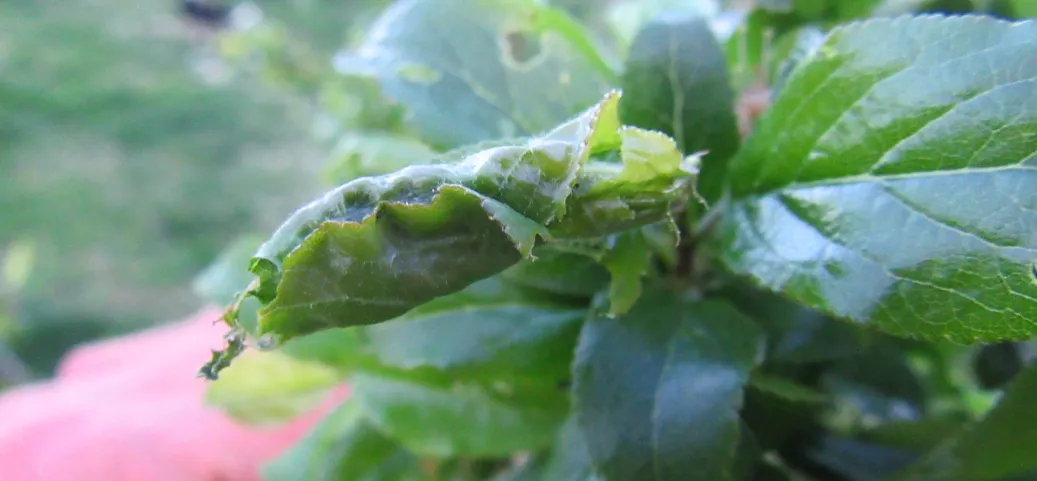
A young Prunus seedling, growing near an older plum, with a few leaves that didn’t quite looked right. They were slightly curled and folded in on themselves. I only noticed them because I was watching some ants walking towards it.
The second one was not subtle at all.
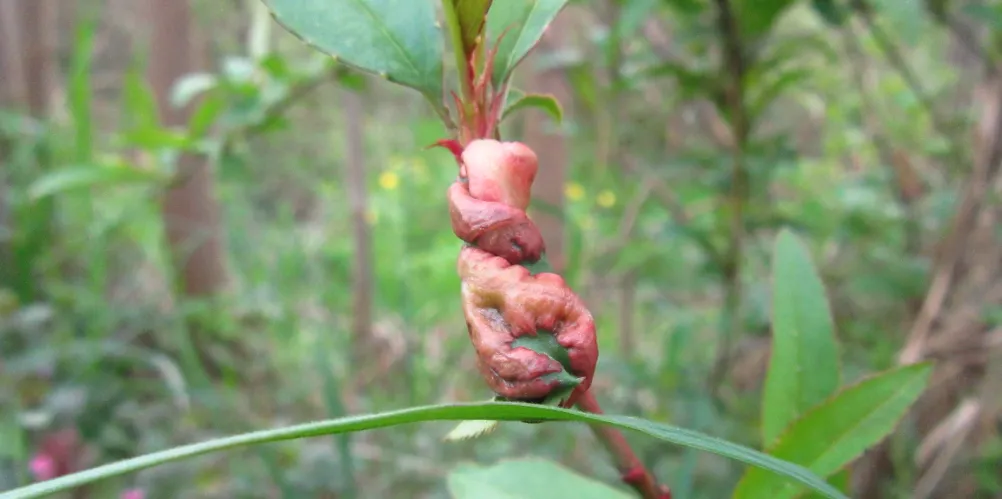
A different tree, a few dozen metres away, with leaves that looked… well, wrong in a much more obvious way. Thickened, twisted, and coloured in a vivid pink-red that made them stand out against everything else around it.
The First Case: A Leaf That Became a Shelter
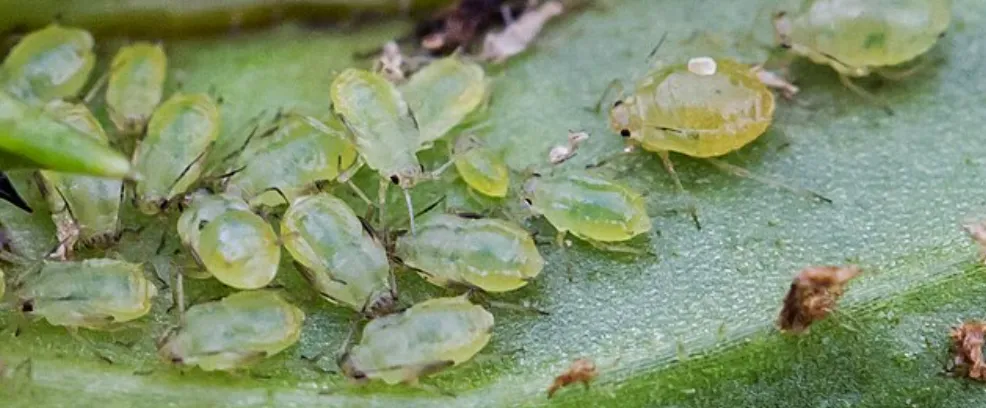
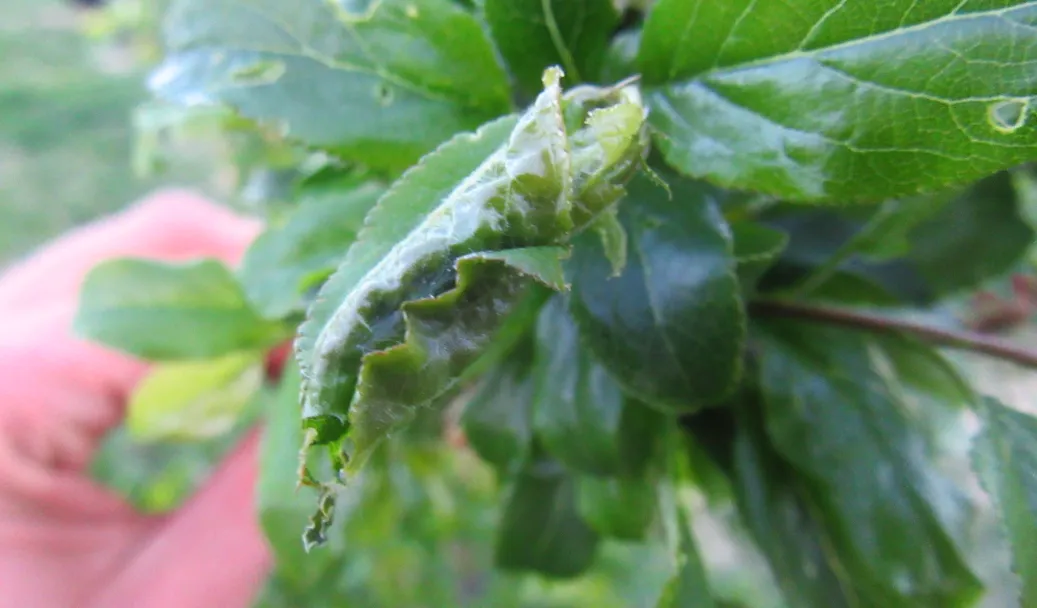
Back inside, after doing some research, the curled leaves on the plum turned out to be the work of aphids, most likely Brachycaudus helichrysi.
At first glance, it looks like a simple distortion. But if you carefully open one of those folds, you’ll find what it really is: a structure built around a colony of aphids. The aphids feed by piercing the plant tissue and extracting sap. In the process, their saliva interferes with normal growth, causing the leaf to curl around them.
Not quite a true gall in the strictest sense, but close enough that many people treat it as one; a pseudo-gall.
Inside, it’s a small, enclosed system, where aphids are feeding and reproducing, sometimes with ants that are tending them for honeydew, and occasionally predators, like hoverfly larvae or ladybird larvae that have been moving in.
It’s not really a deformity, but more like a structure that has a function. Like a shelter made out of the plant itself.
The Second Case: A Leaf That Became Something Else Entirely
The red, swollen leaves that I found on the second tree are something very different.
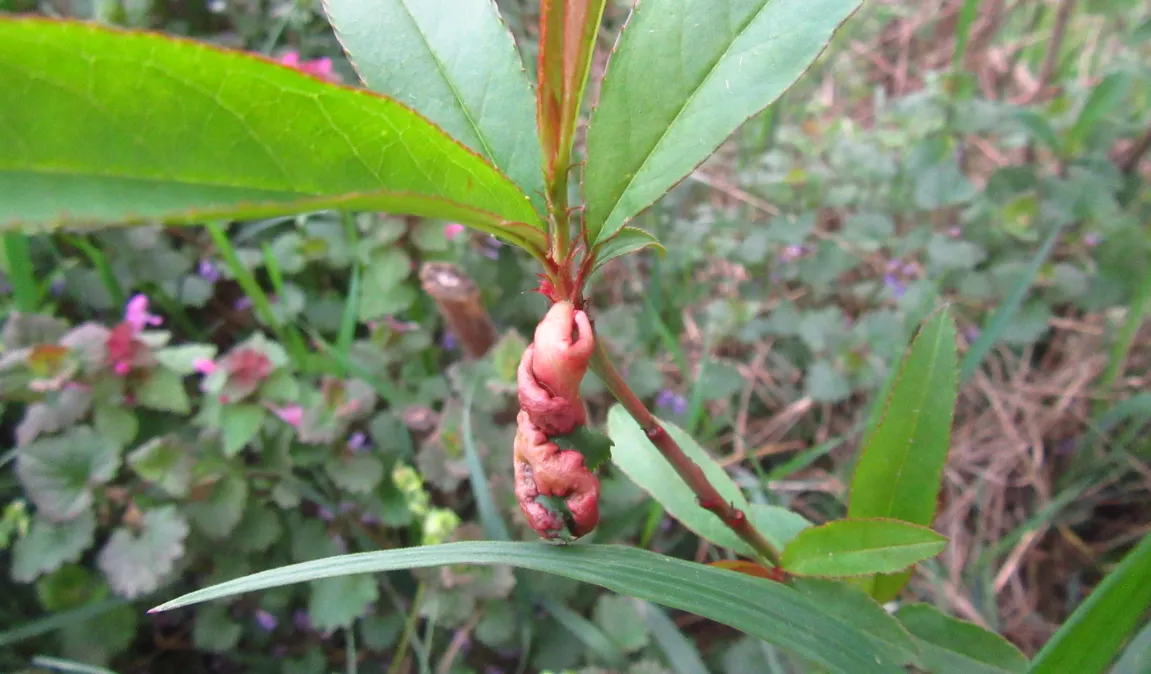
This is Peach Leaf Curl, caused by the fungus Taphrina deformans. Unlike aphids, this isn’t just a surface-level interference. It's a fungus that enters the leaf while it develops, at the bud stage, and begins altering how the plant grows from the inside.
The result is not just a curl. The leaf becomes thicker, heavier and distorts in three dimensions. Where aphids fold a leaf like paper, this fungus turns it into something closer to soft tissue.
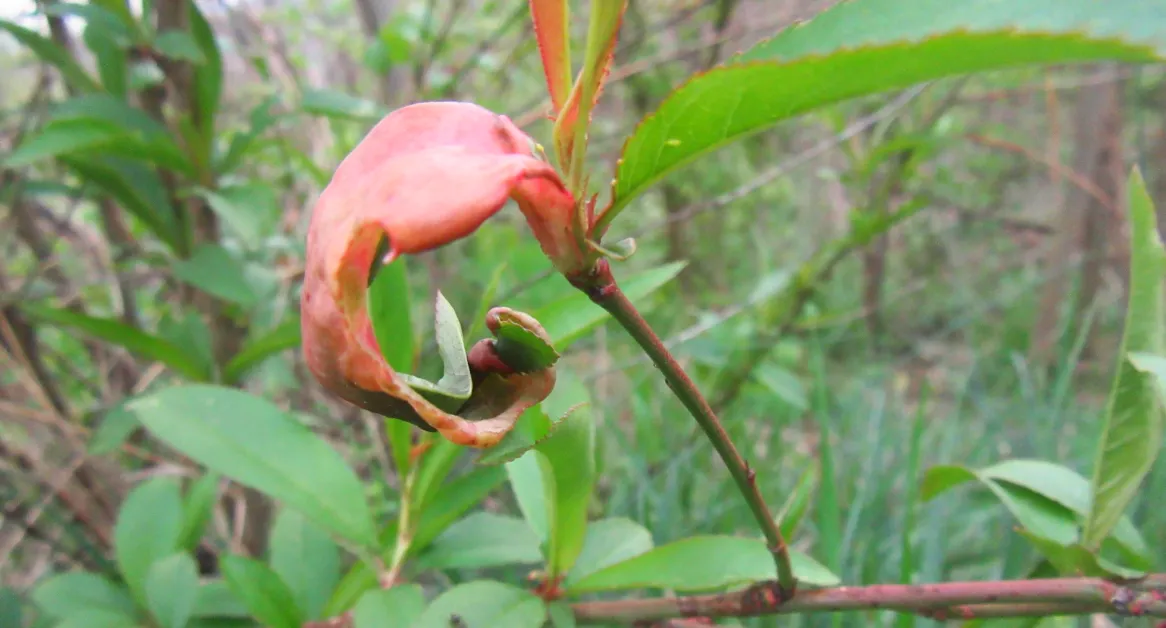
Engineer vs Chemist
Seeing both at the same time makes the difference very clear.
The aphids behave like engineers. They take an existing structure and reshape it just enough to create a protective space. As the aphids use their piercing-sucking mouthparts to feed on plant sap, they inject saliva into the leaf tissue. This saliva contains specific chemicals or toxins that trigger a physiological reaction in the plant and act as growth regulators, causing the young, expanding leaves to grow unevenly. This results in severe twisting, crumpling, and tight curling of the foliage. The leaf is still recognisably a leaf, just bent out of its usual form.
The fungus behaves more like a chemist.
It doesn’t just reshape the structure. It interferes with the plant’s internal signalling, its growth hormones, and effectively rewrites how the tissue develops. This leads to two key processes. On the one hand hyperplasia, more cell growth than is normal, and on the other hand hypertrophy, cells that grow larger than is normal. That combination is what gives the leaf the thick, almost fleshy texture.
Why the Colour Changes
The red and pink coloration are not caused by the fungus. They are the plant’s response to the fungal attack.
Pigments called anthocyanins accumulate in stressed tissue, producing those vivid colours. At the same time, the chlorophyll production is disrupted. When this happens, the leaf is no longer functioning properly. It has now been effectively repurposed.
A Very Specific Window
One of the more interesting details is when this happens.
The fungus only infects during a narrow window in early spring, when the buds are opening and the new leaves are still vulnerable. It requires moisture (rain or prolonged dew) and cool temperatures (roughly 10–21°C) at the same time.
If those conditions line up, infection occurs.
If they don’t, the tree escapes for that year.
Which explains something you can see directly in the pictures I took:
It's only the older leaves that are distorted. The newer leaves, those that emerged slightly later, are all completely normal. By then, the window had already closed.
How It Spreads
Once established, the fungus will start producing spores on the surface of those distorted leaves. At first, the tissue is smooth and fleshy. Later, it starts to develop a pale, almost dusty coating. That is when the reproductive phase has begun.
From there, spread is straightforward. Rain splashes the spores to nearby branches, the wind can carry spores tens of metres or more and of course, there is always the chance of incidental transport by insects or other animals.
Host Matters
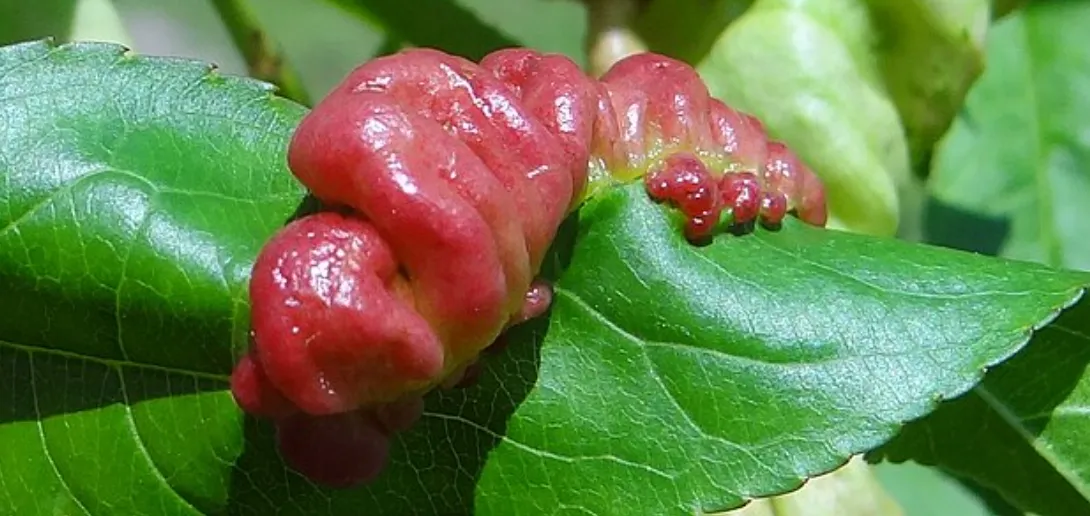
Despite how dramatic it looks, this is a very selective interaction.
Taphrina deformans is highly host-specific. It affects peaches, nectarines and sometimes almonds. Luckily, most of the fruit trees in my garden, like apples, pears, cherries, quinces and medlars, are completely unaffected by this fungus. And even within the same genus, plums for example, usually escape this particular fungus, though they have their own related species, such as Pocket Plum.
Two Leaves, Two Systems
What stood out most for me, wasn’t just the organisms involved, it was more how differently they operate.
One creates a shelter. The other creates a new structure.
Both are manipulating the same thing, a leaf, but they are using completely different strategies to do it.
In a couple weeks time, both will be gone. The aphids will disperse and the infected leaves will blacken, dry, and fall, after which the trees will push out new growth, and the signs of what happened here will disappear almost completely.