The Problem with Nativars
Often I stand in my garden and look at the plants that the previous owners put in. Lately, I find myself wondering more and more: am I looking at an individual with its own history, or at a kind of horticultural hologram?
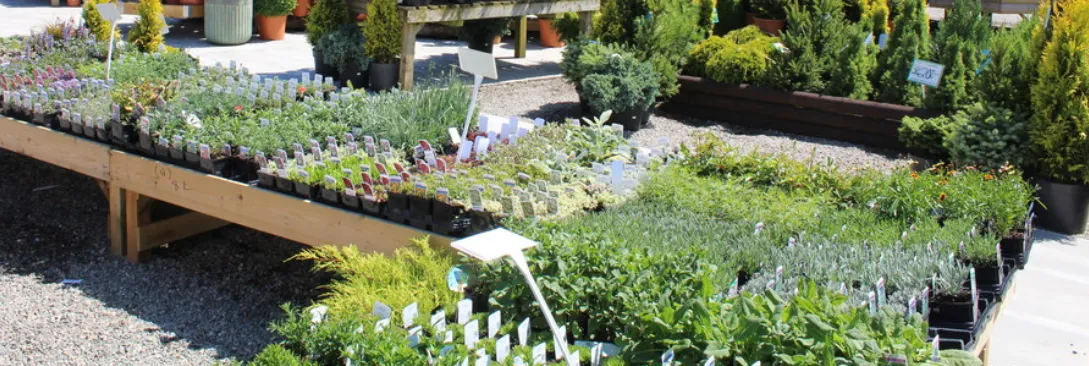
Alongside the familiar cultivars you find in garden centres all over the world, there’s been a strong rise in interest in native species. Garden centres have, of course, responded to this, and now offer not only a small selection of true natives, but also a wide range of so-called ‘nativars’.
A ‘nativar’, a blend of native and cultivar, sounds like the best of both worlds: the ecological value of a local plant, combined with the aesthetic upgrades people tend to prefer. Larger flowers, deep purple foliage instead of green, or a flowering period stretched weeks beyond what would occur naturally.
But if you look a little closer, as I often like to do, you start to see that with these 'improvements', we may be playing a slightly dangerous game. We are not always helping nature. On the contrary, we are often reprogramming it into a static decorative object that has lost its connection to the surrounding ecosystem.
The biggest problem with the modern nativar sits on the inside, in its DNA. If you sow a packet of seeds from a wild Echinacea purpurea (purple coneflower), every plant that emerges is a unique individual. One may grow slightly taller, another may tolerate drought a bit better, and another may begin flowering a week later than the rest. That is the 'noise' of nature, and that noise is essential. It is the engine of evolution.
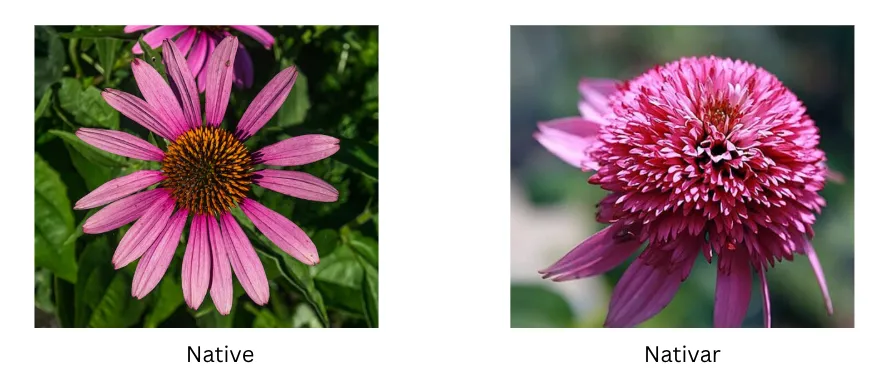
In horticulture, that variation is often seen as a flaw. The goal is consistency. Plants that look identical, bloom simultaneously, and behave predictably. To achieve this, most popular nativars are propagated through cuttings or tissue culture. They are clones. If you plant ten ‘Magnus’ coneflowers, you are planting the same genetic individual ten times.
This effectively puts evolution on hold in our own backyards. In a changing climate, hotter summers, erratic rainfall... resilience depends on variation. By filling our gardens with genetic copies, we create something more like a museum than an ecosystem. If a disease appears to which that specific clone has no resistance, the entire population is lost. We have removed the outliers, and with them, the possibility of future adaptation.
There is also the matter of aesthetics.
We are drawn to plants with unusual or striking colours. Take Physocarpus (ninebark). The wild form has fresh green leaves, which are important for the insects that feed on them. Yet in garden centres, darker cultivars, deep purple, almost black,are often preferred because they 'contrast so nicely'.
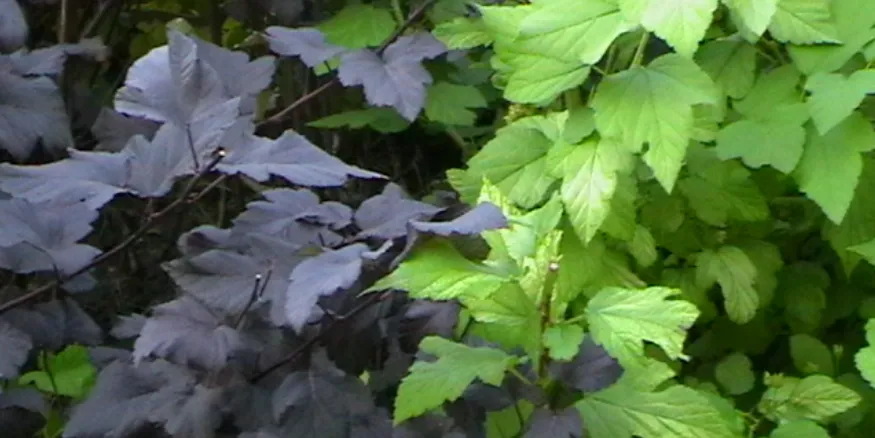
What we don’t always realise is that we have altered the visual language of the plant.
That purple colour comes from anthocyanins. For us, it’s decorative. For insects, it can function as a deterrent or signal that the plant is chemically different. Many herbivorous insects are tuned to recognise green foliage. Faced with these dark-leaved cultivars, they may simply ignore them.
Imagine going to your favourite restaurant. The dishes look incredible, but every ingredient is made of coloured plastic. That is, in effect, what we are offering when we select plants primarily for leaf colour. A menu that cannot be read, or cannot be eaten by the insects. We change the 'design language' of the ecosystem without consulting its primary users.
Perhaps the most melancholic aspect of intensive breeding is sterility. We love plants that 'flower endlessly'. The way to achieve that is often to suppress seed production. A plant that cannot complete its reproductive cycle continues producing flowers in a prolonged attempt to do so.
This creates an ecological dead end.
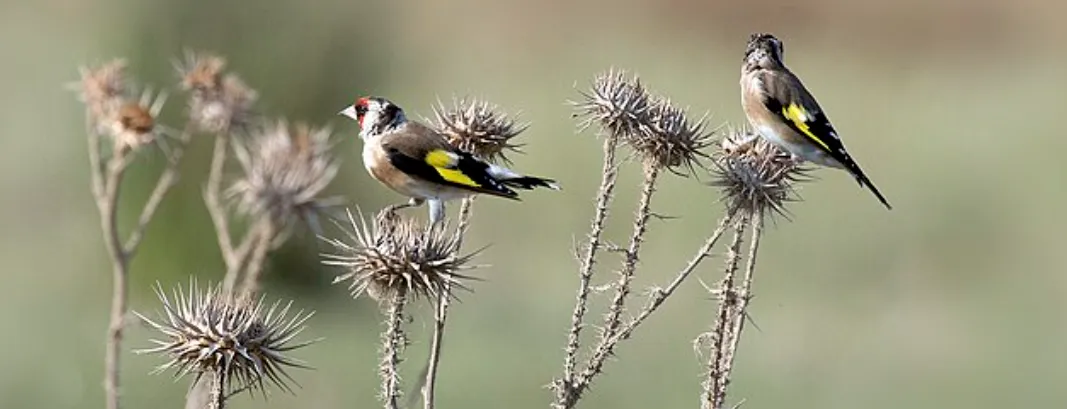
A plant that does not set seed has no future. In my garden, I value the autumn just as much as the summer. The spent stems, the seed heads. Goldfinches feeding. Small insects sheltering in hollow structures through winter.
With many modern nativars, that entire second half of the story is missing. The cycle is broken. What remains is a decorative object that must be reintroduced each year. The garden becomes less a self-sustaining system, capable of reseeding and renewing itself, and more a consumption product, dependent on our spending and on the output of the horticultural industry.
Back to Imperfection
Don’t get me wrong: a garden doesn’t have to become a wilderness where humans have no voice. But I think it’s worth asking what we actually value more.
A perfect, static image that repeats itself every year?
Or a living system—sometimes a bit messier, but adaptive, responsive, and real?
When I choose a plant, I’m not looking for the most dramatic colour or the longest bloom. I’m looking for the noise. I’m looking for a plant that is allowed to set seed, to vary, to interact with the world around it.
Because a garden that cannot change is, in the end, a garden that isn’t really alive.