The Lovely Ladybird Beetle
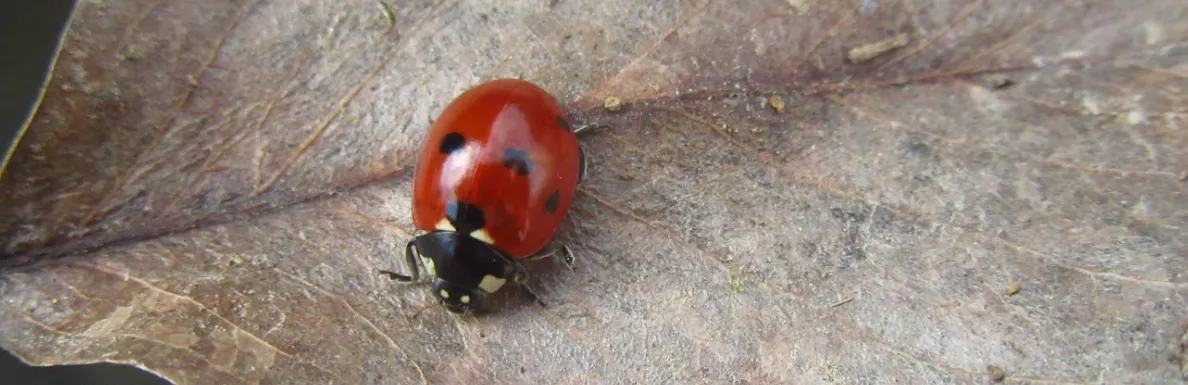
I just found a 7-spotted ladybird beetle on a leaf. Bright red. Seven neat black dots. It's the kind of insect that looks as if it was designed to be liked, something that wouldn’t look out of place in a fairy tale.
Most people call it a ladybug. I know that’s common usage. Still, every time I hear it, something in me twitches a little.
Because it’s not a bug!
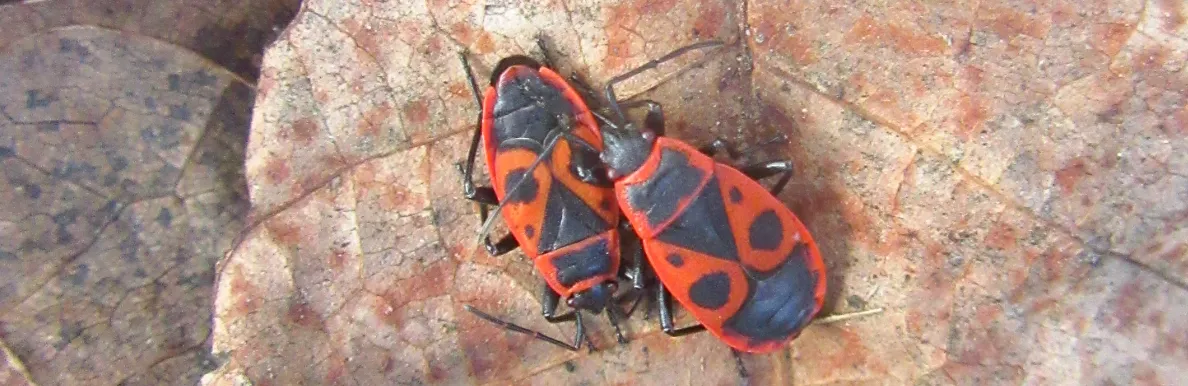
For a lot of people, 'bug' means almost any small insect. In biology however, a true bug belongs to a very specific group: the Hemiptera. A bug feeds by piercing and sucking. I also found a couple of those, firebugs, red and black as well, but built very differently. They feed by inserting a long mouthpart into plant tissue and drinking from it.
The ladybird, on the other hand, is a beetle. It has hardened wing covers and chewing jaws. It doesn’t sip. It bites.
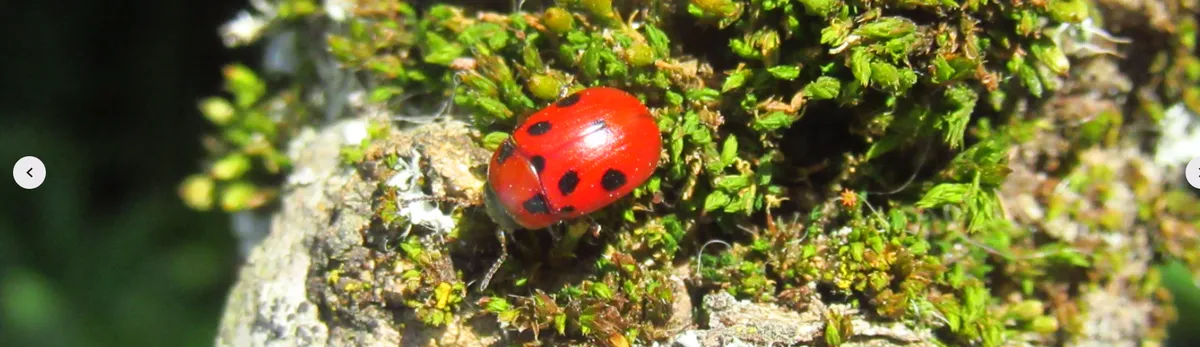
And then there was a third insect I photographed: Gonioctena fornicata. Rounded and spotted, so at a glance, you might mistake it for a ladybird. But it isn’t one. It’s a leaf beetle. Similar shape, completely different lineage. You see, appearances can often be misleading.
But let me tell you; that neat, harmless look we associate with ladybirds, it hides something else entirely.
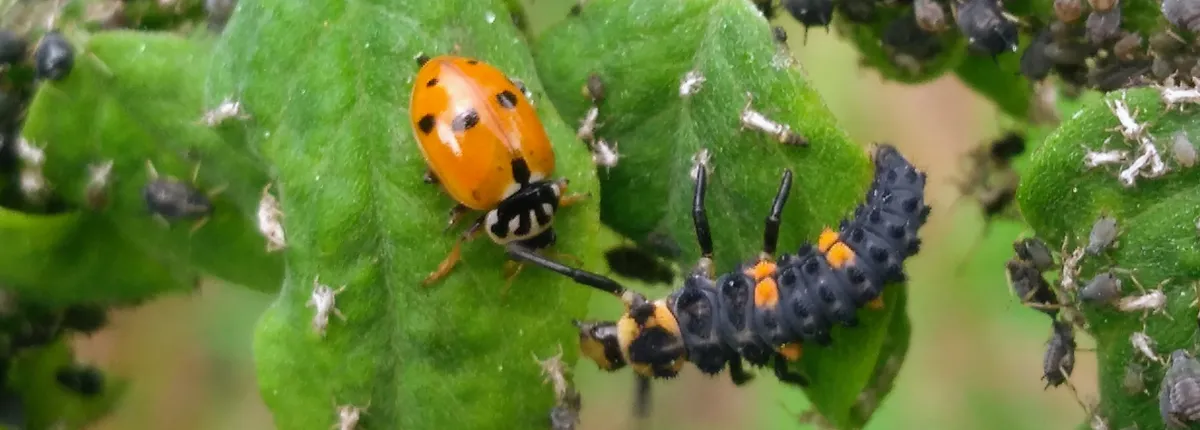
A group of ladybird beetles is called a 'loveliness'. That sounds gentle, even sweet. But the truth is, ladybirds are among the most efficient predators in our gardens and fields. Both adults and larvae. The larvae, especially, look nothing like the polished red dome we know. They kind of resemble tiny alligators munching methodically through aphid colonies. They love aphids.
Some years ago, researchers described something remarkable in Dalmatian chrysanthemums (Tanacetum cinerariifolium). During early flowering, the plant produces a scent that mimics the alarm signal aphids release when they are under attack. To an aphid, it smells like danger and when the aphids begin feeding, they ingest some of this compound and excrete it in their honeydew. Other aphids detect the scent and often choose to avoid the plant, as if the colony that is on there is already under threat.
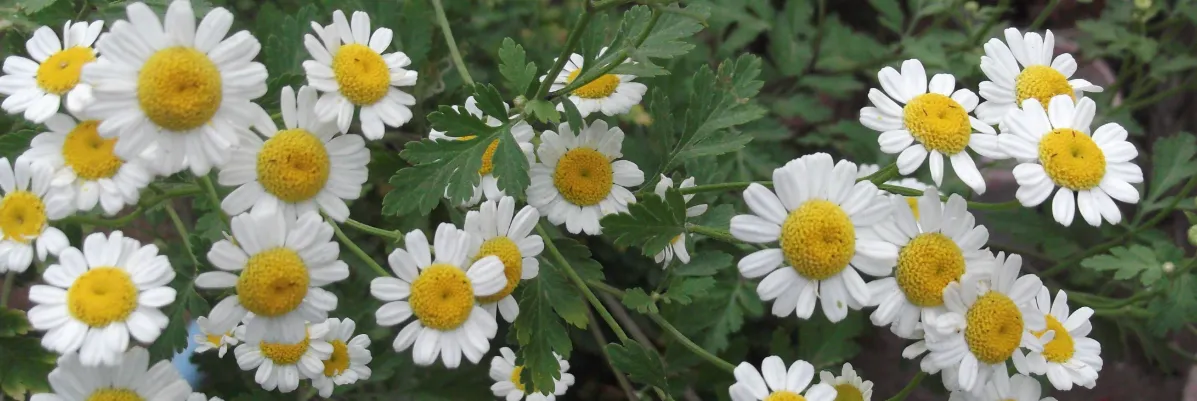
But that same scent has another effect.
Our ladybird beetles can detect it in the air. To them, it signals food and it draws them to the plant in their ever ongoing search for aphids. The chemical that scares the prey away, also attracts predators. The plant benefits twice.
Now, this next part, is the part that's usually not included in the children’s books.
Ladybirds are not just decorative red dots in the grass. They are active and merciless cold-blooded killers. And they like aphids most of all. A single ladybird beetle can easily eat 5000 of them in a lifetime. That's about 50 a day! That's why vegetable gardeners like them so much. Each and every day there is a huge battle raging on the carrots and cabbages, where the ladybirds leave hundreds, thousands or even millions of lifeless bodies behind them when they march to victory.
Ladybirds themselves are preyed upon by birds (especially swallows and swifts), spiders, frogs, dragonflies, wasps, and larger predatory beetles. However, most predators, who like to eat beetles, leave the ladybirds alone. Ladybirds aren't defenceless. When threatened, they exude poisonous blood from their leg joints, a behavior known as reflex bleeding. This fluid smells like rancid nut butter or old bell peppers (people can't seem to agree about the exact smell), tastes bitter and contains chemicals. Their bright color is not there to look cheerful; it warns potential predators that they are not pleasant to eat.
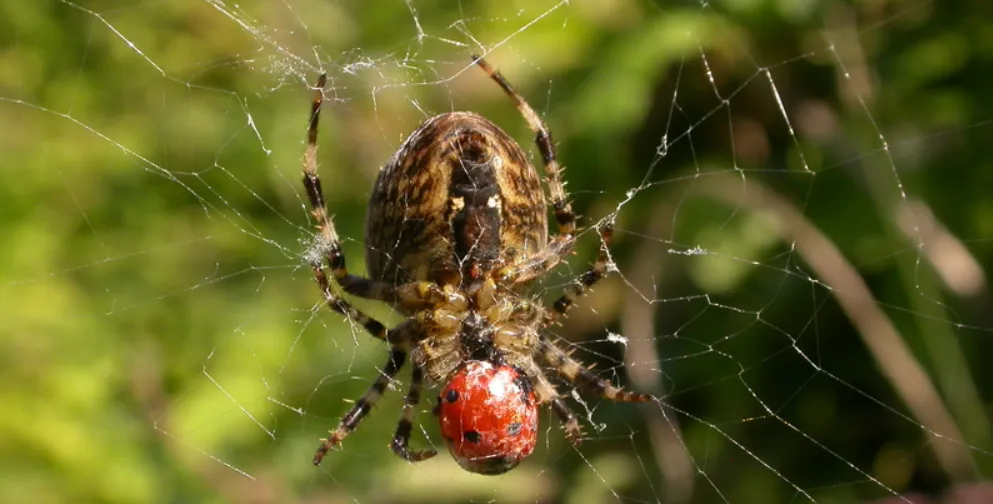
So yes, a group of them is called a loveliness.
But they are also small, fearsome killers.
Perhaps that is why I hesitate at the word 'ladybug'. It smooths everything out. It makes them sound harmless and soft. And they are neither.
The 7-spotted individual I found yesterday looked lovely enough in the winter light.
But it is not a bug.
It is a beetle.
And it is a predator.