What Darwin Saw in the Garden
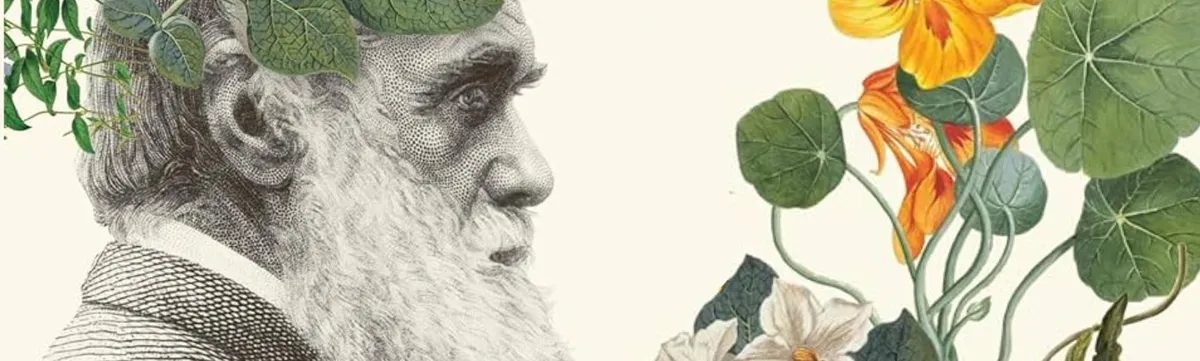
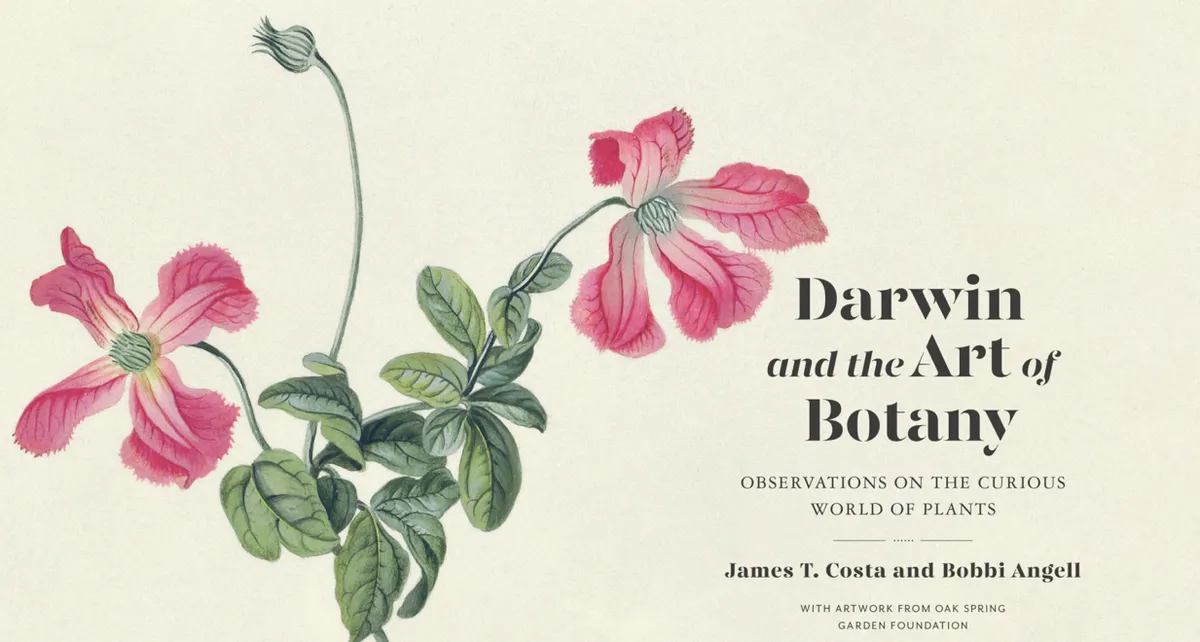
There is a book on my desk at the moment called 'Darwin and the Art of Botany: Observations on the Curious World of Plants'. It covers Darwin's botanical work, the decades of quiet, obsessive study he carried out in the gardens and meadows around Down House after publishing 'On the Origin of Species'.
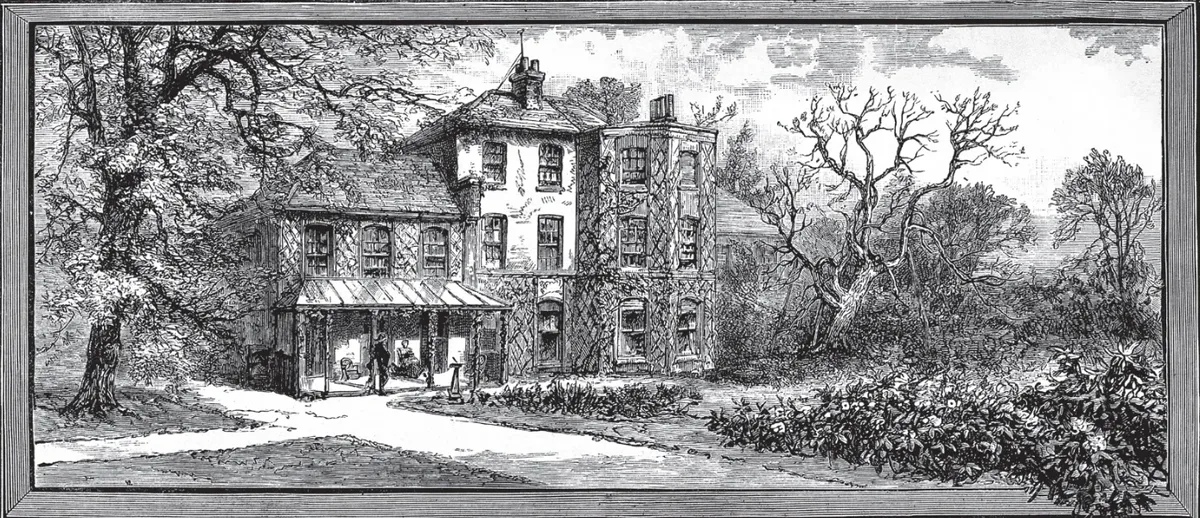
Most people know Darwin as the man who changed our understanding of life on Earth. Few know that he spent much of his later career on his hands and knees in his garden, dissecting flowers, watching bees, and running what he cheerfully called his 'fools' experiments'.
He would have fit in well here.
A Familiar Plant, Looked at Differently
The timing of reading this book is not accidental. Violets are flowering in the garden right now, and it turns out Darwin was fascinated by them. He spent several years in the early 1860s dissecting their small, closed flowers; the cleistogamous ones I wrote about earlier this week. Writing to the botanist Joseph Hooker in 1862, he called them 'queer little flowers' and seemed genuinely delighted by their strangeness.
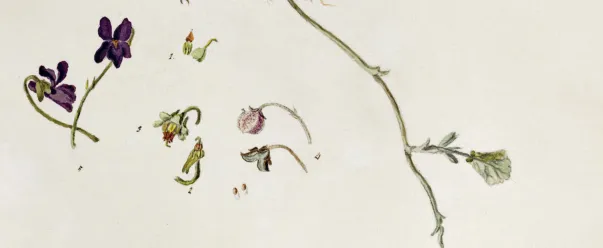
That combination of careful dissection and barely contained excitement is something I recognize. It is the feeling of finding something unexpected in a plant you thought you already knew.
What struck me reading the violet chapter is how Darwin approached it. He didn't start with a theory. He started with curiosity about a small detail, a flower that never opened, and followed the question wherever it led. The same method, more or less, that leads me from a fallen oak leaf to two hours in scientific journals looking up Contarinia subulifex.
The rabbit hole is apparently not a new invention.
The Primrose Problem
The book also covers primroses, which are appearing in the garden now alongside the violets. Darwin studied them obsessively for years, beginning around 1860. He had noticed that primrose flowers came in two distinct forms; one with a long pistil and short stamens, one with a short pistil and long stamens. Others had noticed this too but largely ignored it. Darwin didn't, he simply couldn't let it go.
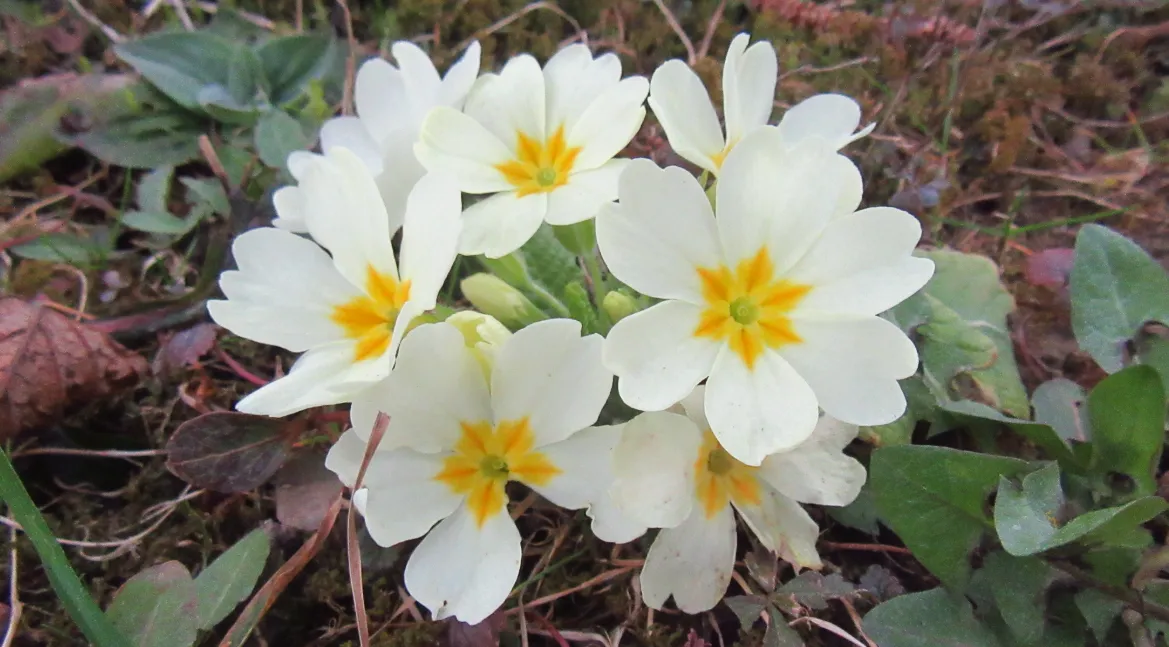
He eventually put his children to work collecting flowers, recording that they gathered 281 of one type and 245 of the other in a single session, and spent years crossing different combinations to understand why both forms existed and what happened when you crossed the wrong ones together.
The answer, which took him years to confirm, was that the two forms were designed for each other. Each one could only be fully fertilized by the other. The flower was not just an attractive structure. It was a system built to prevent self-fertilization and encourage the mixing of genetic material between plants.
Looking at the primroses along the garden path now, knowing this, is a slightly different experience than it was a week ago.
The Bumblebee Problem
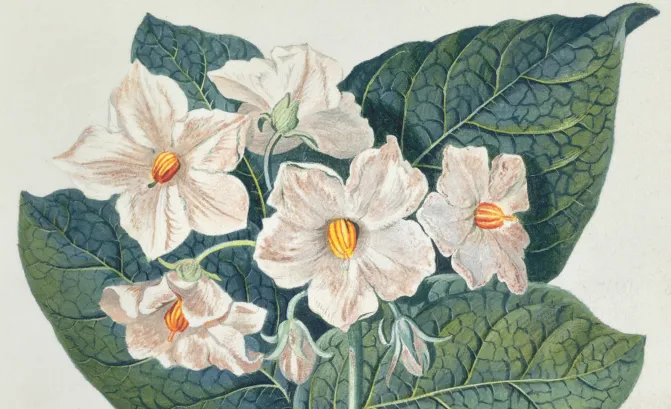
There is a passage in the sage chapter that I keep returning to. Darwin observed that bumblebees visiting sage flowers sometimes refused to enter through the front of the flower the way the plant intended. Instead, they bit a small hole near the base of the flower and extracted the nectar directly, bypassing the pollen entirely. He called them 'pick-pocket bees'. The plant got nothing in return.
Darwin found sage's legitimate pollination mechanism so elegant, two stamens fused into a lever that tips pollen onto the back of any bee that enters correctly, that he compared it to the most sophisticated orchid structures he had studied. And yet, apparently, some bees simply couldn't be bothered.
I have bumblebee queens in the garden right now, fresh out of the ground, doing exactly what bumblebees do. They're investigating flowers, checking holes and warming up on stones. You can be sure that I'll be watching them more carefully near the sage this year.
A Different Kind of Naturalist
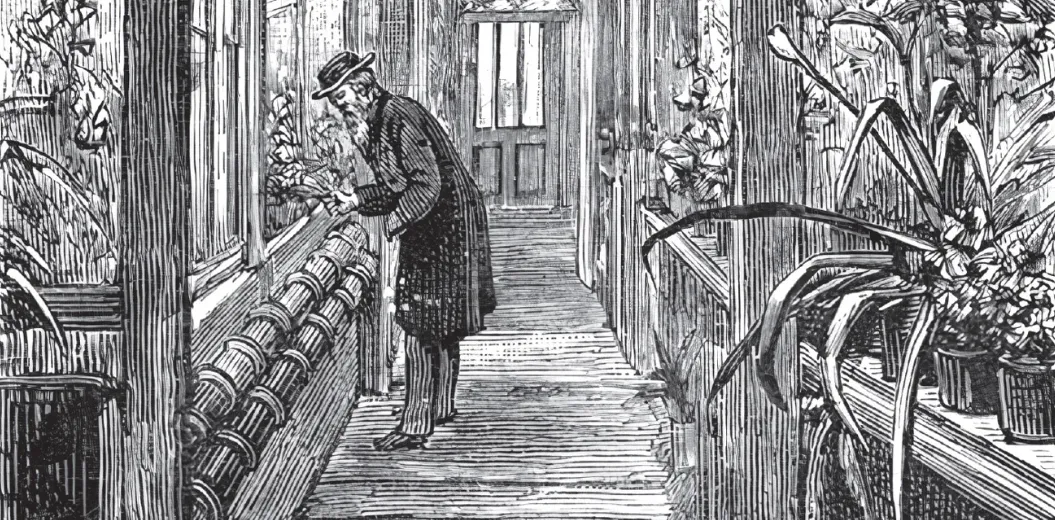
What this book shows page after page is that Darwin was not working with sophisticated equipment or in a controlled laboratory. He was working in his garden, at his kitchen table, with his family roped in as assistants. He grew grapevines and watched their tendrils develop. He dissected lungwort flowers in his greenhouse. He lay in the grass and watched bees.
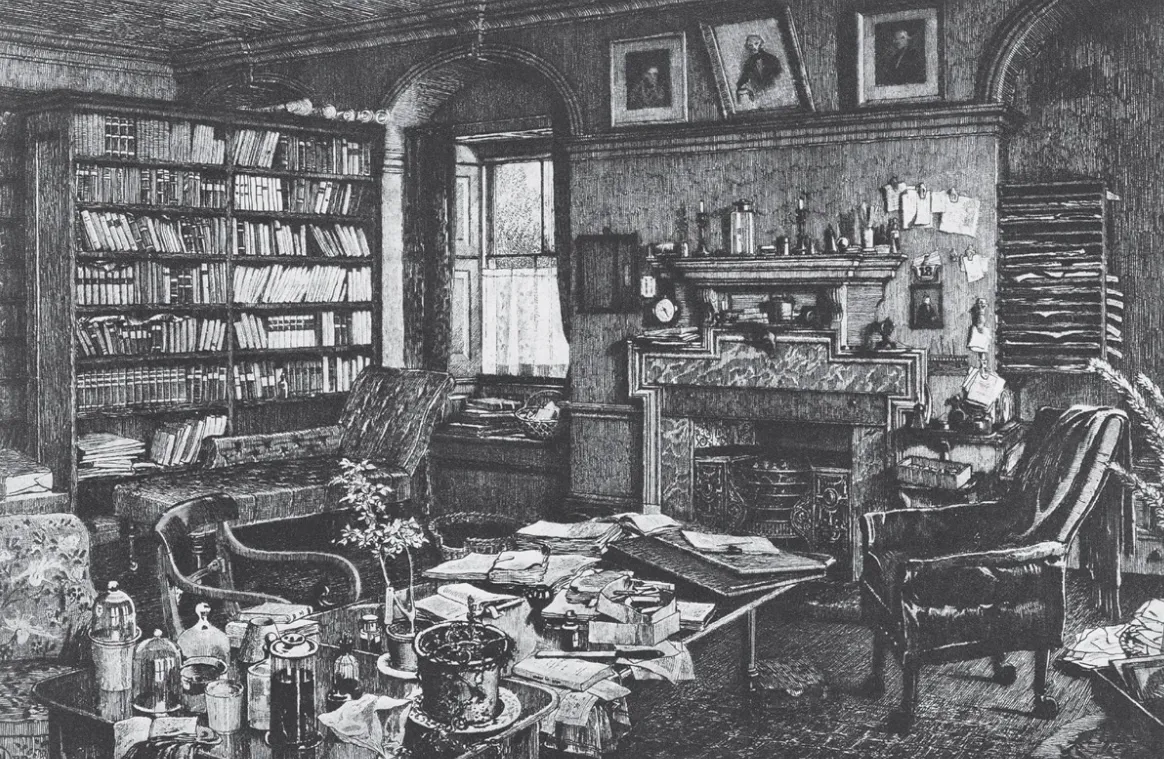
The scale was ordinary. The attention was not.
Darwin kept watching for forty years. I've only just started this book, and there are already more rabbit holes in it than I have time to follow.
That said, this isn't really a book you read from cover to cover in a weekend, although you certainly can. It's more the kind of book you pick up when you've made yourself a cup of coffee, remember something in the garden that caught your attention, and think to yourself: 'I wonder if there's something written about that in here.' Then you flip to the relevant chapter and lose an hour or two. It's simply a nice book to have lying around. The botanical illustrations alone are worth it.
If you’d like to add this to your own library, you can find it at the Bookshop.org US or Bookshop.org UK. Buying through these links supports independent bookstores and helps keep this blog running.