A Different Angle on the Same Rabbit Hole
A Different Angle on the Same Rabbit Hole
A few days ago, a fellow blogger wrote a response to my post about nature apps and the gamification of observation. I'd encourage you to read it, because it made me think.
The writer comes at the question from a different direction entirely. A self-described millennial with a low attention span and a deep, almost accidental obsession with flies and mosquitoes, the order of Diptera, for those keeping score, who found in iNaturalist not a replacement for real observation, but a way in. A door that opened onto genuine curiosity, and a community of people who wanted to talk about earthworms and gnats without the social performance that usually surrounds those conversations.
I found myself nodding at more of it than I expected.
Two Different Starting Points
My original post was written from a specific position: someone who doesn't carry a smartphone, who photographs with a camera and identifies from field guides, and who prefers the encounter to belong to memory before the data goes anywhere. That works for me. I've built habits around it that I value.
But that's not the only valid relationship with these tools, and I think the response post makes that clear.
The difference, as I read it, is what the app leads to. Does it end the encounter, or begin one? For some people, iNaturalist is where the curiosity stops, the species is logged, the badge appears, and attention moves on. For others, it's the thing that first made them look down at the earthworms, or up at the hoverflies, or into the brambles at whatever is moving there. Those are genuinely different experiences of the same platform.
On Diptera and Loneliness
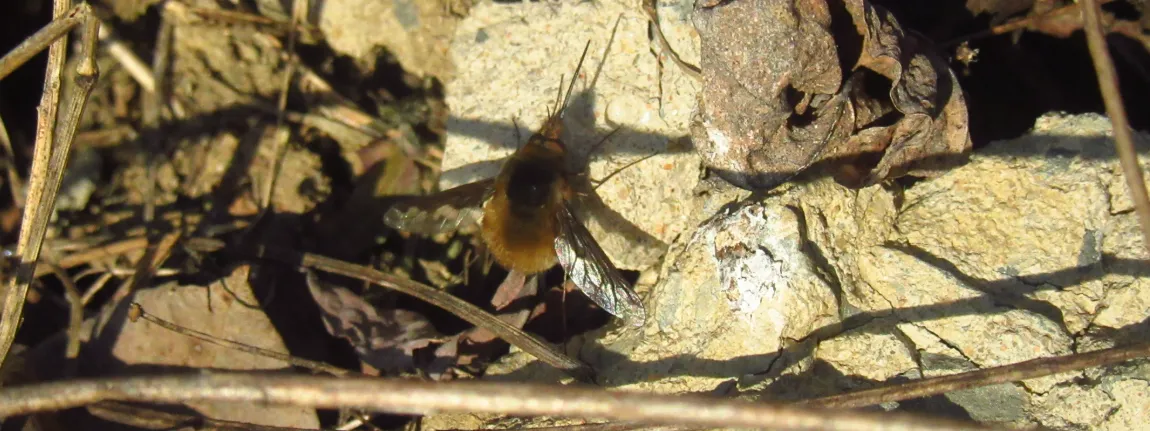
The fly obsession caught my attention immediately.
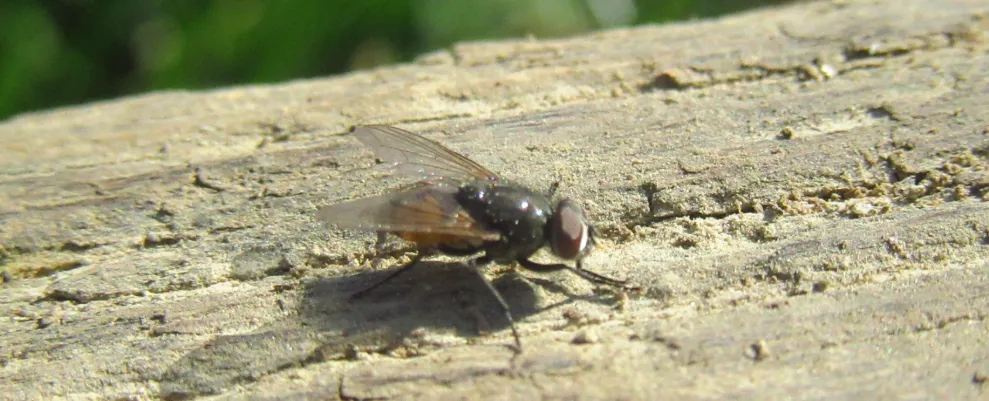
Diptera is one of my favourite orders. Vastly underappreciated, enormously diverse, and almost completely overlooked by most naturalists who consider themselves serious. The moment someone mentions they've gone deep into hoverflies or fungus gnats, I pay attention. My old point-and-shoot camera doesn't have the macro capability to document most of the smaller species properly, which is a frustration I've mostly made peace with. But the interest is there.
The writer also mentions something that resonated more personally. Entomology can be lonely. You develop this very specific enthusiasm for a subject that most people around you find baffling at best, and you end up doing most of it alone. I don't have anyone nearby who shares my interest in the small things either. Not for flies, not for beetles, not for what lives under bark or in dead plant stems.
This blog exists partly for that reason, as a way of sharing these observations with the world, in the hope of occasionally finding someone who finds them as interesting as I do.
A platform where someone identifies earthworms all day and sends you a thoughtful comment about exactly that, without any social overhead, is not a bad answer to that problem. That's not gamification. That's community.
On the Data Problem
The misidentification numbers were new to me and worth taking seriously. I had a general sense that data quality on these platforms was uneven at best, but seeing actual figures laid out is clarifying. It doesn't change my view of iNaturalist's value, but it does suggest that the gap between an observation uploaded to an app and a reliable scientific data point is wider than the platform sometimes implies.
As the writer puts it: we don't conduct scientific research when we upload pictures to an app. That's fine, as long as we remember it.
Scrolling Toward Something
The point that landed most honestly was this: we're going to scroll and push buttons anyway. The question is what we're scrolling toward. TikTok or earthworms. Mindless accumulation or the accidental education that comes from a community of people who care deeply about very specific things. Put that way, iNaturalist looks less like a trap and more like a reasonable use of an impulse that isn't going away.
I still think the risk I described in the original post is real. But it sits alongside a genuine value that I underweighted. The app didn't make the earthworms interesting. They were always interesting. For some people, though, the app is what finally made them look down.
And that's not nothing.