Why This Blog Is Called 'The Naturalist’s Rabbit Hole'
At some point people usually ask about the title of this blog.
Why 'The Naturalist’s Rabbit Hole'?
The phrase, of course, comes from Alice's Adventures in Wonderland by Lewis Carroll. Alice follows a rabbit down a hole and suddenly finds herself in a strange and complicated world that seems to keep unfolding the deeper she goes.
Natural history often works exactly the same way.
It usually starts with something very small.
A bird makes a strange call in the hedge. A beetle appears on a flower where you have never noticed it before. A plant grows leaves that look slightly different from the ones next to it. You notice it, and that moment of curiosity pulls you in.
You start asking questions.
What species is that? Why is it doing that? Is this normal behavior, or something unusual?
And once you start looking for the answer, you quickly discover that there is always another layer underneath.
You read about the species. Then you learn about its habitat. Then you learn about the insects it depends on, the predators that hunt it, the plants it needs, and the strange strategies it uses to survive.
Before long, the original observation has turned into a small investigation.
You have fallen down the rabbit hole.
One Question Leads to the Next
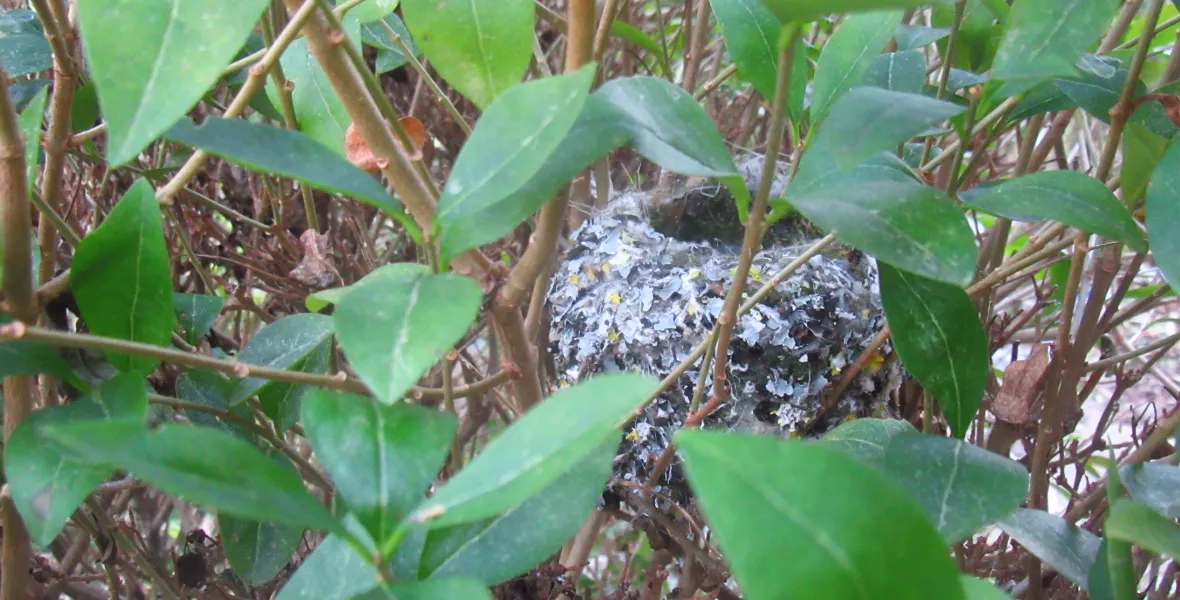
A good example is something simple like a nest in a hedge.
At first it is just a small bundle of moss and feathers. But once you start paying attention, questions appear immediately. Which bird built it? How long did it take? Why was this exact branch chosen? What materials were used? And why are some nests abandoned while others succeed?
Following those questions leads you deeper into the lives of the birds themselves.
In the case of the Long-tailed Tit, the nest alone reveals an entire story about cooperation, family groups, and the surprisingly complex social lives of these tiny birds.
And that is only one rabbit hole among thousands.
The Garden as an Entry Point
Most of the observations on this blog happen in the garden and the small vineyard around the house.
Not because it is an especially rare or spectacular place, but because it is a place that I see every day.
That turns out to be more valuable than visiting somewhere exotic once a year.
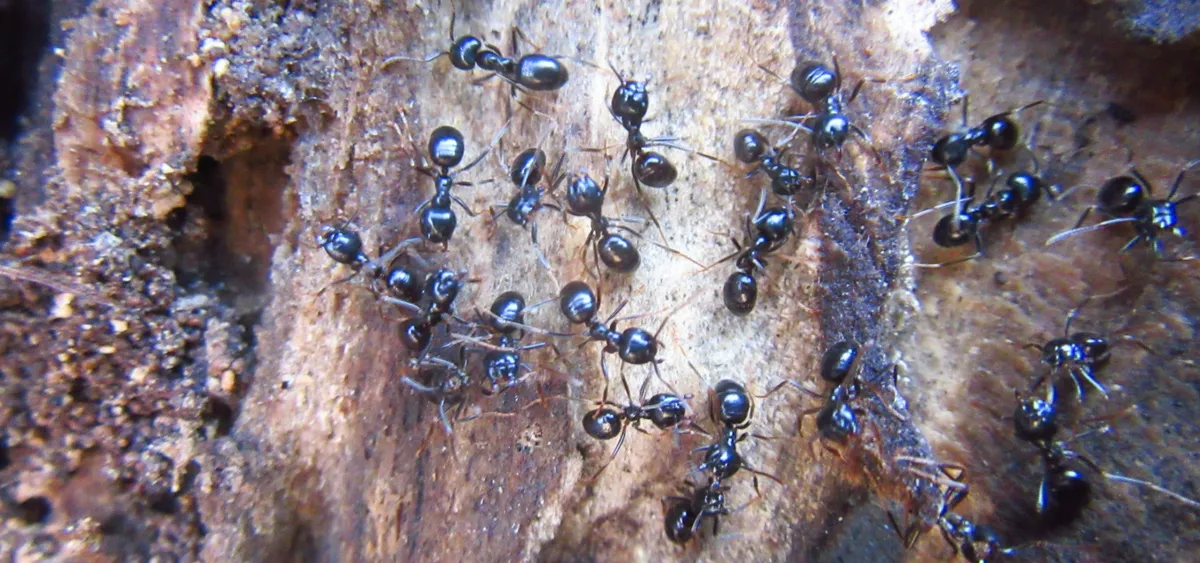
Nature reveals itself slowly. Patterns only become visible when you watch the same place repeatedly. The first butterflies appear on warm spring days. Ants reopen their tunnels after winter. A patch of violets suddenly attracts insects that were nowhere to be seen the week before.
In a single season, a familiar patch of ground can produce dozens of small mysteries.
One day it might be a Violet Carpenter Bee investigating a piece of old wood. Another day you might notice a procession of ants carrying seeds across the path. On a damp evening a slug appears that you have never noticed before, even though it must have been living there all along.
Each observation leads to another set of questions, and the rabbit hole continues.
The Value of Looking Closely
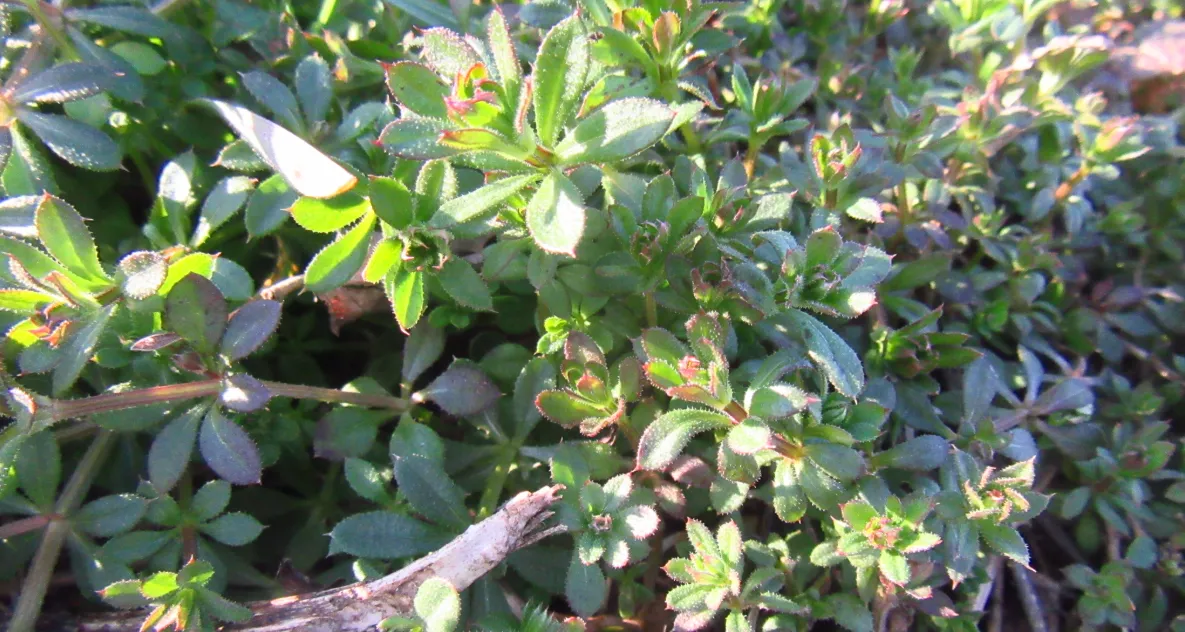
Modern life encourages us to move quickly. Walk faster, scroll faster, process information faster.
Natural history asks for the opposite.
It rewards people who slow down enough to notice small details: the sound of wings warming up in the sun, the way a spider rebuilds its web overnight, or the sudden appearance of a moth resting on a wooden post.
These small moments are easy to miss if you are not looking for them.
But once you start noticing them, they become surprisingly addictive.
The garden stops being just a garden. It becomes a landscape of interactions. Birds compete for territory. Beetles patrol the soil surface. Plants attract insects with elaborate tricks. Every square meter is full of activity.
The Endless Depth of the Rabbit Hole
One of the most fascinating things about natural history is that the rabbit hole never really ends.
No matter how much you learn, there is always another detail waiting to be discovered. Even very familiar species can suddenly reveal behavior you have never noticed before.
A butterfly chooses a plant you did not expect. A spider catches prey much larger than itself. A patch of moss turns out to host tiny animals that live their entire lives in a space no bigger than a coin.
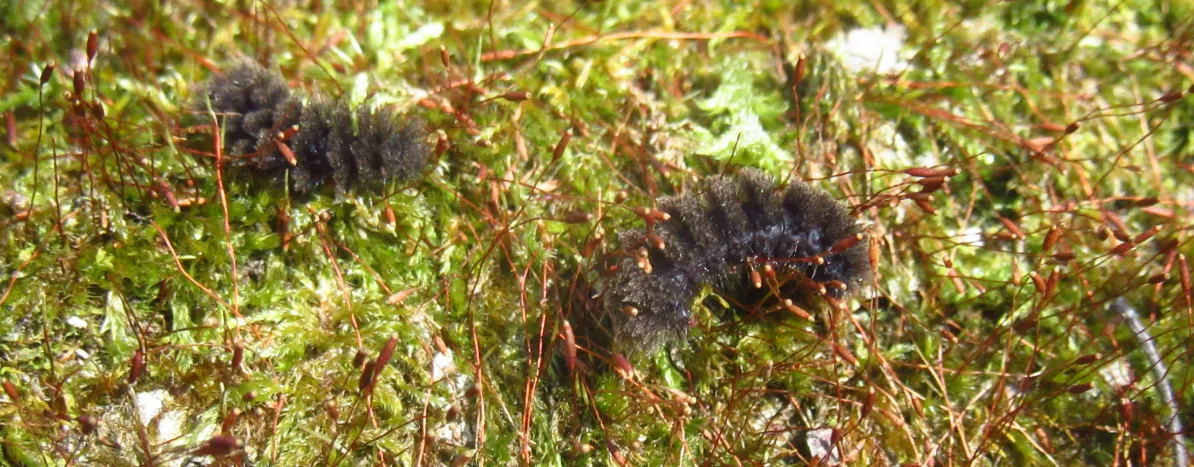
These moments remind you that the natural world is far more complex than it first appears.
And that complexity is exactly what makes the rabbit hole so enjoyable.
An Invitation
This blog is simply a record of those small discoveries.
Most of them are not rare or spectacular. They are things that happen in an ordinary garden: an insect emerging from dead wood, a nest being built, a strange interaction between plants and animals.
But those small observations often lead somewhere interesting if you follow them.
And that is really the idea behind the title.
Anyone can step into a rabbit hole like this. You do not need a remote wilderness or an expensive expedition. A garden, a park, a roadside hedge, or just a few plants on a balcony can be enough.
All it takes is curiosity and the willingness to pay attention.
Once you start doing that, you might discover that the ordinary world around you is far stranger and more fascinating than it first appeared.
Just be warned: once you fall down the rabbit hole, it is very difficult to climb back out again.